





Less than 1 in 5 women have expressed confidence in their ability to seek a comfortable retirement, despite the many years spent in employment. Data from a new report showed that women are not confident about retiring in an ideal way, having relatively lower amounts of savings under their name to support this future. With significant caregiver responsibilities weighing on them and societal pressures adding to the challenge, retirement concerns have grown significantly over the last few years. As HR professionals, understanding these challenges is a prerequisite for securing a space for women in the workforce.
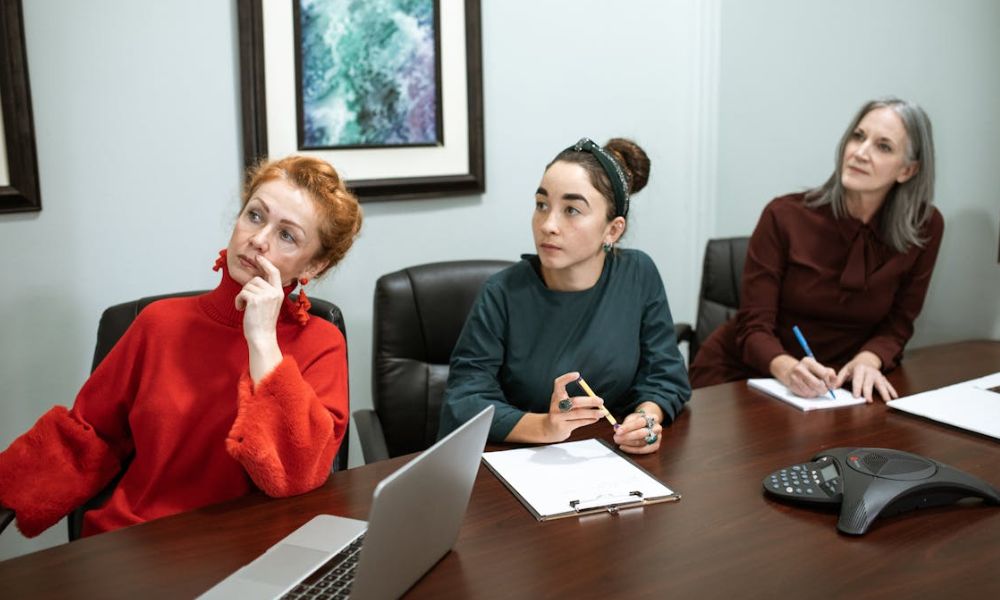
Less than 1 in 5 women report confidence in their retirement plans and the ability to stay financially secure in their later years. (Image: Pexels)
Working Women Express Low Confidence In Securing a Comfortable Retirement
Data from the Transamerica Center for Retirement Studies and the Transamerica Institute showed that only 18% of women expressed confidence that they will be able to fully retire with a comfortable lifestyle. While these working women dream of retiring to travel, spend time with family, pursue hobbies, work, volunteer, and take care of their grandchildren, a majority of them also remain fearful that these retirement goals will remain out of their reach.
The report also found that one of the greatest fears for the 1 in 5 women showing low retirement confidence is that they will outlive the savings they are able to put together during their working years. Some also expressed concerns that Social Security benefits would be reduced or cease to exist in the future entirely, and this likely has been further intensified as a result of the various changes to the system this year. Around 27% of the respondents added that they were looking at Social Security as their primary source of retirement income.
Additionally, the respondents also expressed fears over declining health, inability to meet the financial needs of their family, and the possibility of colliding with medical conditions that cause a cognitive decline in their later years.
Why Are Working Women Facing Retirement Savings Concerns?
Working women face a considerable number of challenges in their careers, and the glass ceiling and differential treatment within the workplace are aspects that are often discussed but rarely addressed. In addition to this, many workers also double as caregivers for their families. Over 43% of the women responding to the study added that they have previously or are currently serving as caregivers, with 85% reporting having made adjustments to their careers as a result.
Working women who want to start a family are often at a disadvantage, having to leave the workforce, at least temporarily, to care for young children. “Women who work full time are more likely to be offered a 401(k) or similar employee-funded retirement plan than those who work part time,” the report states, and this adds to the growing concern for many women who have to return to employment via part-time opportunities to support their families.
“Women have made extraordinary progress in terms of educational attainment and career opportunities that were once out of reach. Yet, women continue to face a greater risk of not achieving a financially secure retirement,” Catherine Collinson, CEO and president of Transamerica Institute and TCRS, said in the report. “The gender pay gap and time away from the workforce for parenting and caregiving limit a woman’s lifetime earnings, her ability to save for retirement, and her access to valuable employer and government benefits. Statistically, women tend to live longer than men, so we need to save even more for older age.”
Acknowledging the Low Levels of Financial Planning
We must also acknowledge that the lack of financial knowledge or awareness on the best way to save is a common trait of the younger generations. This is particularly true for women, only 16% of whom expressed that they had “a lot” of working knowledge about personal finances. Only a small percentage rely on a financial advisor, and fewer still have a financial strategy for retirement in the form of a written plan.
Understanding these issues opens a considerable number of doors towards opportunities to provide benefits and tools that accurately support women in the workforce. Improving the confidence of women in their retirement plans and elevating their outlook on their future isn’t just beneficial for employees but also serves to improve a business’ operations overall.
Younger Women Are Leaving the Workforce, Leaving an Unbalanced System in Their Wake
Women play an important role in any economy, both as producers and consumers. Around 43% of women expect that they will have to provide financial support for family members other than their spouse during their retirement. A lack of financial support and stability in their lives affects every aspect of the modern world, from the income they provide to their families to the businesses they support through their income.
A record number of younger women are now leaving the workforce, and they are also set to take their talent and expertise with them. This shift in makeup could disrupt the workforce in innumerable ways, placing a greater strain on earning partners and eventually their employers to offer higher pay. The impact could be significant, but it is still early enough to rectify it.
Countries like South Korea and Japan have made changes to support women and young families in the workforce, and similar policies are essential across the globe to ensure that businesses thrive and societal structures remain stable.
Why do you think women face low confidence in the possibility of a comfortable retirement? Share your thoughts with us. Subscribe to The HR Digest for more insights on workplace trends, layoffs, and what to expect with the advent of AI.