





There’s a moment that plays out quietly in households across the country.
An employee reviews their paycheck. They see a decent salary, decent benefits, maybe even a company match. But their kid just had an ER visit. They have a dentist bill on the kitchen table. Their health savings account (HSA) has a few hundred dollars in it, and they’re not sure if that money should be spent now or saved for something worse down the line.
This is where many workers sit: working hard, but feeling behind. Healthcare, ironically, is one of the reasons why.
As an HR or benefits leader, you’ve likely seen that pressure show up in open enrollment meetings, pulse surveys and feedback channels. And as the year draws to a close, right now is the perfect time to rethink how HSAs can deliver more value.
Well-Being Isn’t a Buzzword Anymore
Over the past few years, “employee well-being” has become a critical business metric.
According to the American Psychological Association, 92% of workers said it is very or somewhat important to them to work for an organization that values their emotional and psychological well-being. Additionally, the World Health Organization estimates depression and anxiety cost the global economy $1 trillion per year in lost productivity.
The takeaway: happier, healthier employees perform better and stick around longer.
HSAs Were Built to Help, So Why Aren’t They?
While average wages in the U.S. continue to increase, the cost of health insurance is soaring. In fact, the average family premium was more than $25,000 in 2024, a 52% increase from a decade ago in 2014.
…64% of accountholders admit they avoid using their HSA when they’re not confident on the eligibility of an expense.
HSAs were designed to offset rising costs and empower employees to make better decisions, but many employees aren’t using them to their full potential. That’s largely because HSAs have long been marketed as “savings vehicles,” not as spending tools.
Most employees can benefit from using their HSA on everyday healthcare costs. But a gap in understanding prevents many employees from doing so: according to InComm Benefits’ 2025 Employee HSA Research Report, 64% of accountholders admit they avoid using their HSA when they’re not confident on the eligibility of an expense.
A benefit that was meant to close the gap between wages and rising medical costs ends up being underutilized or skewed toward high earners who can afford to let their money sit.
How to Make Spending Smart Feel Like a Win
This is where a cash back HSA like the one offered by InComm Benefits comes in — not as a silver bullet, but as an intuitive nudge. The idea is simple: when an employee uses their HSA debit card on an eligible expense, they get a small percentage (in InComm Benefits’ case, 2%*) back into their HSA.
That $90 urgent care visit? $1.80 back in their account. It’s not life-changing, but it encourages account holders to use their HSA.
It also reframes the HSA into an active, rewarding experience. Every swipe becomes a reminder: You made a smart choice. You got rewarded for it.
Plus, InComm Benefits offers an intuitive user experience that automates the process. Employees simply swipe their card and the HSA detects which items qualify as eligible expenses. The correct amount is automatically deducted, the 2% Cash Back is automatically earned and every transaction is visible via a user-friendly app.
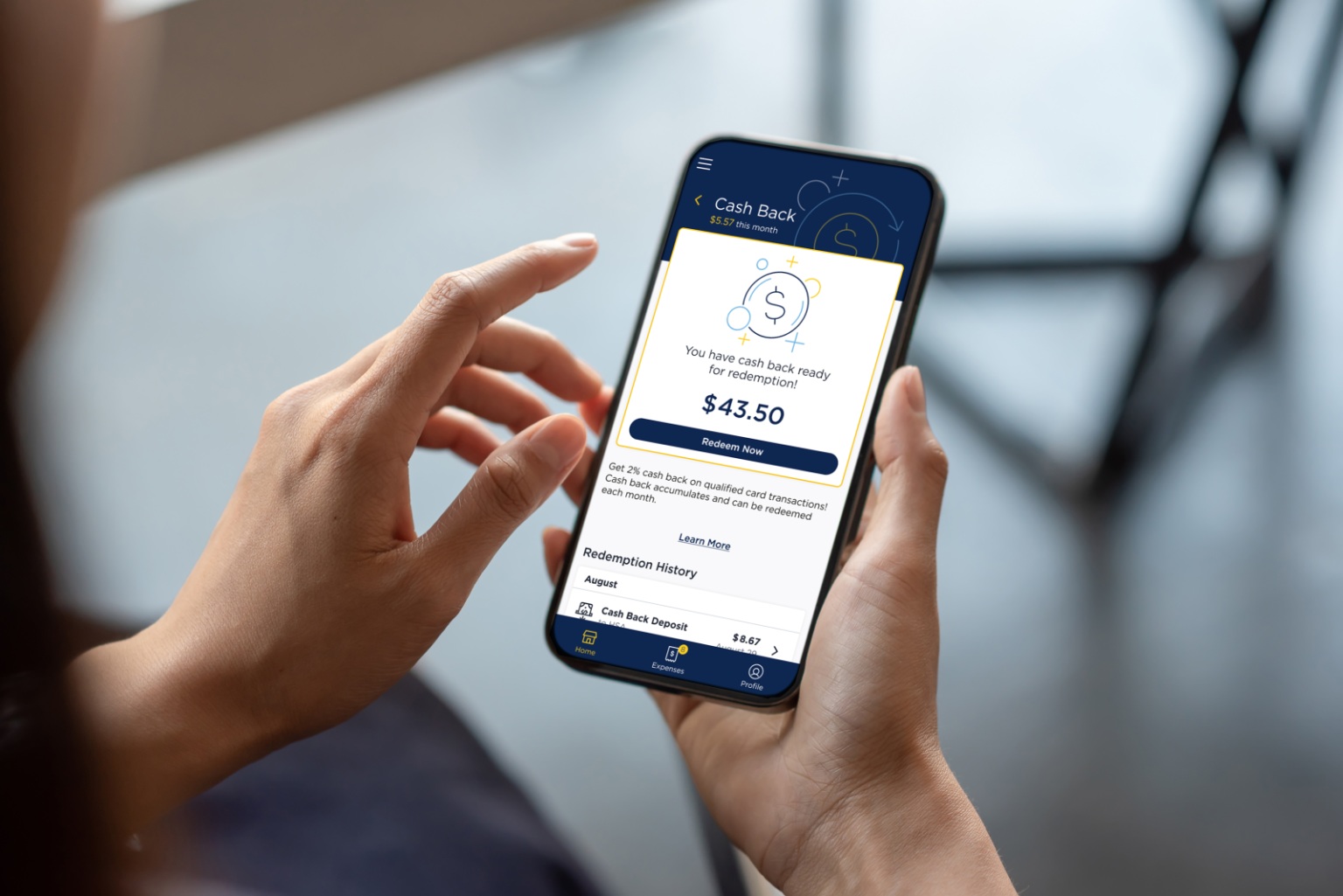
Users automatically get 2% Cash Back and can see every HSA transaction within the app.
Why It Works — Especially Now
You probably know the HSA pitch well: tax savings, rollover potential, investment growth. But in practice, those messages often don’t land, especially for lower-income workers, young employees or people living paycheck to paycheck.
Earning Cash Back for using an HSA changes the value proposition.
It says: “Even if you can’t afford to invest $3,000 a year, your HSA can still work for you every time you visit the pharmacy.”
These HSAs help you:
- Add a modern twist on a familiar benefit — without overhauling your entire plan.
- Increase HSA adoption and usage, especially among younger and lower-wage employees.
- Make everyday spending feel like part of the overall wellness journey, not just a drain on savings.
It’s also a retention tool in disguise. Employees who feel like their benefits are working for them, not against them, are more likely to stay.

Cash Back and an intuitive user experience make a trip to the pharmacy easier and more rewarding.
What HR Leaders Can Do Next
As an HR or benefits leader, you’re in position to rethink how this benefit is framed and ensure it’s being used as intended. Take advantage of year-end timing to remind employees to maximize their HSA benefits before the calendar resets. And in the meantime, start planning for next year’s enhancements.
Here’s how to bring Cash Back for HSAs into the conversation:
1. Use it as a differentiator. Instead of the standard HDHP + HSA combo, offer something better: an HSA that pays employees back.
2. Align it with financial wellness goals. If you’re investing in budgeting tools and personal financial support, this fits right in and can easily be communicated as a value-add.
3. Tailor it to your workforce. For tech companies? Frame it as a modern, digital-first experience. For blue-collar employees? Emphasize immediate savings. For startups? Message it as a low-cost perk that boosts perceived comp.
4. Talk outcomes. If you can show how Cash Back improves utilization, engagement and retention, you’ll have a better story to tell in every open enrollment cycle.
The Smart Move for 2026
While flashy wellness apps and virtual care platforms get a lot of attention, sometimes it’s the small stuff — like getting $4 back for your contact lens refill — that builds trust and loyalty.
Cash Back might not solve every healthcare challenge, but it rewards employees for taking care of themselves. That’s a win for everyone.
Start preparing now before the calendar resets to make sure your HSA delivers maximum value in 2026 and beyond. It might be the best decision you make all year.
To learn more about how employees are utilizing their HSA benefits and the challenges they face, download InComm Benefits’ 2025 Employee HSA Research Report.
