





Want to build a happy workplace culture where employees thrive, and there is harmony to be found among your workers? Such goals are disappearing from the zeitgeist of the 21st century, but we’re on a mission to flood HR teams with ideas on ways to keep employees happy.
Of the many emotions that are currently flooding the workplace, happiness is relatively lower than the other, more negative, emotional experiences in the modern world. There are many reasons for this decline in joy and enthusiasm, with businesses shifting their focus to buzzwords like agility, efficiency, and productivity, however, the psychology of workplace happiness should never be ignored. Happy and content employees are the ultimate drivers of a thriving business, and the greater their enthusiasm for their jobs, the greater their motivation is to drive unified success.
Outrageous, never-before-seen benefits may present some interesting ways to keep employees happy, but finding joy at work isn’t always about life-altering pay and all expenses paid vacations. Although these benefits certainly help. There are many ways to keep employees happy, and a number of them boil down to listening, understanding, and addressing worker concerns with regularity.
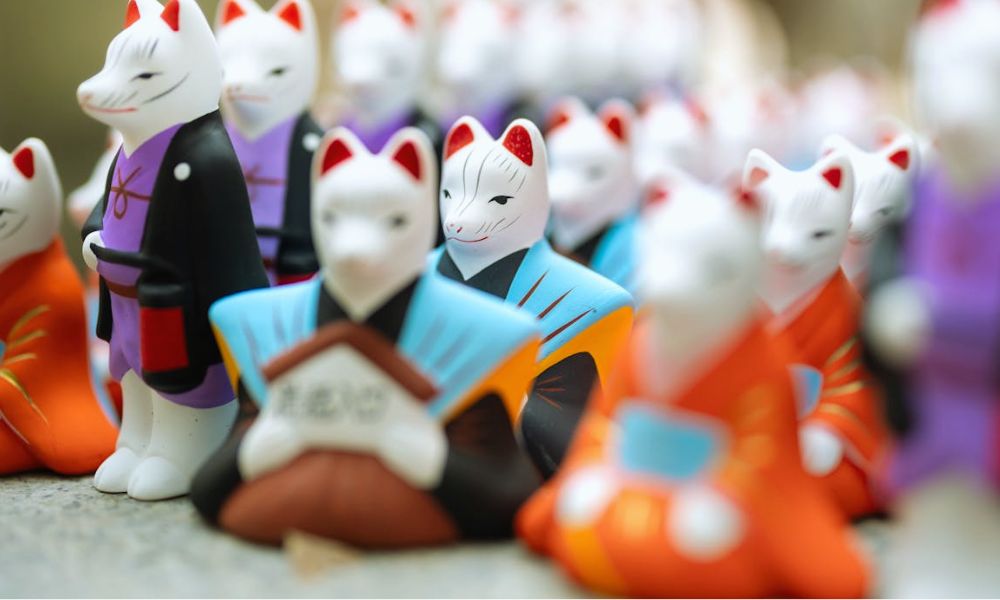
Creating a workplace culture that prioritizes creating happy, fulfilled employees is always a key component in the recipe for success. (Image: Pexels)
How to Build a Happy Workplace Culture and Keep Employees Excited About Their Work: Tips, Tricks, and Strategies for 2026
What makes a workplace happy? Is it when employees walk around with a smile plastered on their faces, or do we measure it by how politely employees say “Good morning” and “thank you” to each other? Happiness is a concept that is hard to boil down into a few sentences, and the experience of it can change from day to day. An employee may feel a burst of happiness at seeing their favorite coworker or their preferred milk choice restocked in the communal fridge for their daily coffee, but these fleeting moments of joy aren’t always indicative of a workplace culture that strives to keep them happy.
A happy workplace culture is defined by an atmosphere of unity and understanding, where employees feel a regular sense of joy at their roles, tasks, and the prospect of working with the organization. Of course, employees may experience a burst of frustration at having to wake up early for work or face the entirety of their workload head-on, but for the most part, happy employees are content employees who feel secure, safe, and welcome at work.
A happy workplace culture sees employees feel enthusiastic about their company goals and the role they are playing to further it, where their positive emotions at work far outweigh the brief negative ones that make an appearance every once in a while. Sure, some might say that going to work isn’t supposed to be about enjoying it, but instead about doing what you need to do to earn a living, but there’s no reason that the tasks that dominate the majority of an adult’s lifetime can’t also give them a sense of purpose and excitement to keep moving forward.
Why Should Employers Care About Ways to Keep Employees Happy?
Most organizations are inundated by a flood of tasks and responsibilities that tend to take priority over bringing laughter and whimsy to the workplace. Many employers ask why employee happiness should fight its way onto their daily schedule. Most workplaces indeed manage just fine without investing in happy workplace strategies to boost the mood of the organization, but a so-so workplace experience leaves a lot of unanswered problems on the table.
A happy workplace culture isn’t one that’s solely centered on fun experiences at work, but one where employees feel motivated to work and explore the full extent of their role. This pursuit of creativity can make a big difference to businesses that want to expand on their potential. Employees who enjoy the company of their colleagues are more likely to work with them in harmony, reducing conflict, increasing healthy competition, and improving the overall efficiency of operations.
Feelings of positivity and gratitude at work also serve to encourage employees to take initiative and speak highly of their employers, and these reflect in an organization’s Glassdoor ratings and public reputation with customers. Exploring ways to keep employees happy purely for these gains isn’t always the best approach to building a healthy workplace, but it is a pursuit that benefits both employers and employees.
How to Create a Happy Workplace: Tips and Strategies to Keep Employees Happy
Paying attention to the psychology of workplace happiness presents a real challenge for businesses that are afraid of committing to long-term goals, but they pay off in unexpected ways that always work in their favor. A happy workplace culture isn’t easy to facilitate, considering the various elements that strive to disrupt the peace, but where there’s a will, there’s a way.
1. Listen to Employees to Create Happy Workplaces
The first step towards planning for an employee-centric goal is listening to employee-centric experiences. Most of the problems that disrupt the happiness quotient of a workplace are issues that can be addressed and resolved, but the process of identifying them can take some work. Whether you invest in anonymous employee surveys or install a suggestion box as the first step towards addressing employee concerns, it all begins with acknowledging the employee experience.
2. Prioritize The Employee Experience by Creating a Team to Address It
A happy workplace culture doesn’t build itself up: it takes a team to identify and address the roadblocks and continually clear up the problems that arise. One of the best places to start with employee happiness strategies is to section off a part of your HR or management team to understand the mood of your workforce and develop strategies to uplift it.
Maintaining a happy workplace culture is a continuous process, one that cannot be managed by workers who are already beset by a host of other responsibilities. Particularly with the current climate where human-centric abilities are being ignored for AI-centric achievements, reintroducing a people-friendly approach can be beneficial for your workers.
3. Revisit Your Management Strategy to Explore Employee Autonomy
Hypervigilance and excessive management can kill an employee’s spirit to experiment and explore their role on their own. Allowing workers some degree of autonomy to determine their schedules, pick tasks, and approach them in their own way can offer them a sense of freedom at work.
Take the example of AI. Employers are keen to utilize this technology, and workers are just as determined to master it. But when it is set as a performance evaluation criterion with forced productivity goals linked to it, there is limited room for experimentation and enthusiasm. Allow employees some freedom and time to see what benefits it can offer.
4. Set Clear Rules About Toxic Behavior at Work
One of the biggest reasons why it can be difficult to maintain a happy, unified workplace culture is that unwanted feelings and behaviors are allowed to thrive. It can sound counterintuitive to set rules and regulations to facilitate freedom of expression and creativity, but setting restrictions on hostility at work allows the workforce to thrive in unison.
Employees need to understand where the boundaries lie at work and what consequences await crossing them, and this allows all workers to be rid of cruel jokes, inappropriate behavior, and any form of harassment that might disrupt the peace. There is a clear link between the feeling of safety and happiness in the workplace, and this is important for HR to oversee.
5. Highlight Success and Recognize Employees for the Achievements
Employees might roll their eyes at the thought of arbitrary award ceremonies and special mentions of outstanding performance, but a genuine acknowledgement of their work and performance can go a long way in improving the mood of the organization. Publicly celebrating successes, whether that of an employee or the organization at large, encourages employees to feel more positively about their work, and the addition of a material reward can also sweeten the deal for many.
6. A Healthy Work-Life Balance Makes a Workplace Happier Than You’d Think
When employees have sufficient time for their personal lives, returning to work to address their professional ones doesn’t feel like such an ordeal. Ensuring that employees are allowed to focus on their private lives when they clock out of work allows them time to relax, refresh, and return to work rejuvenated. Additional benefits in this regard, such as paid time off and paid vacation benefits adds to their ability to maintain this balance and their mood at work.
7. Build a Community, Not Just a Workforce
If you’re wondering how to make the workplace feel happier during work hours, one of the best things you can do is build a community of employees at work. The modern workplace is full of fragmented divisions that operate on their own until something goes wrong or forces them together. This disconnected set-up leaves very little room for employees to actively care about each other.
Invest in initiatives that inform employees about other departments, bring them together over a meal or joint training, or generally encourage them to get to know each other. From well-designed breakrooms to kickstarting hobby clubs, there are many ways to urge employees to move around and make connections.
8. Bring Meaning and Purpose Into the Workplace
Employees no longer feel fulfilled by their work or have a sense of purpose when they step into the workplace. Most tasks are performed as part of a routine, and changing this is one of the more useful tips for keeping employees happy. Not every job or task can have a higher purpose or revolutionize the business, but each role is essential for the smooth running of the organization.
Talking to employees about organizational goals, seeking their input on strategies, or showing them positive client and customer feedback allows employees to see the real-world impact of their presence in the organization, making this one of the best strategies to pursue in favor of building employee happiness.
9. Allocate Time for Socializing and Investing in Creative Pursuits
Employees like to maximize productivity by ensuring that every second on the job is spent on business-centric tasks, but allowing employees breaks and time to unwind is an essential part of the process of production. Even machines tend to break down from overuse, and pushing employees to their limits rarely benefits the business.
Allowing workers time to build connections, focus on creative pursuits and experimentation with technology, or even allowing them time to set goals for themselves for the coming weeks can help workers center themselves and approach their work with greater clarity and confidence.
10. Encourage Employees to Use The Perks Available to Them
When you explore the psychology of workplace happiness, you might find that even with the tools and resources at their disposal, employees may hesitate to use them. Many workers fear being perceived negatively for capitalizing on the benefits made available to them. Others are too overwhelmed by their roles and responsibilities to do so.
Whatever the reason, when workplace benefits go unused, employees continue to struggle at work. For a happy workplace culture to be a possibility, workers need to feel more comfortable with using the benefits that are available to them. A little nudge from their employers to do so can land surprisingly well.
How Do You Intend to Create a Happy Workplace?
These employee happiness strategies are merely ideas and suggestions on where you can get started, but businesses are free to determine their own pathways towards introducing joy at work. With the current climate of layoffs, AI incursions, and other changes taking place, happiness is the last thing that many employees have time to pursue. Most are determined to hunker down at work and hold on to their jobs until the job market stabilizes, operating under a constant state of heightened anxiety.
Some businesses may see this as an ideal scenario where they do not have to invest in employee retention, however, this manner of operations isn’t sustainable. Burnt out, unhappy employees are likely to break, lose interest, or just perform the bare minimum at work in order to ensure they keep their jobs, rather than thriving at work or channeling their best skills into their performance.
What is the best way to build a workplace culture where employees are happy? Share your ideas in the comments with us. Subscribe to The HR Digest for more insights on workplace trends, layoffs, and what to expect with the advent of AI.