





The American retail landscape has changed since Covid-19 pandemic. The latest Target layoffs serve as that definite signal of the company’s new direction. On February 9, 2026, the Minneapolis-based giant announced it would eliminate approximately 500 roles as part of Target job cuts in 2026, primarily focusing on its supply chain and district-level management. This strategic pivot, led by newly minted CEO Michael Fiddelke, aims to redirect capital toward the very place where the brand’s “cheap chic” identity is forged: the store floor.
Target layoffs announced to welcome a leaner model
For decades, Target flourished by offering a curated, aesthetically pleasing alternative to the utilitarian sprawl of its competitors. However, four years of stagnant sales and mounting customer grievances have forced a reckoning. The job cuts at Target in 2026 represent a fundamental restructuring of how the company manages its 2,000-store empire.
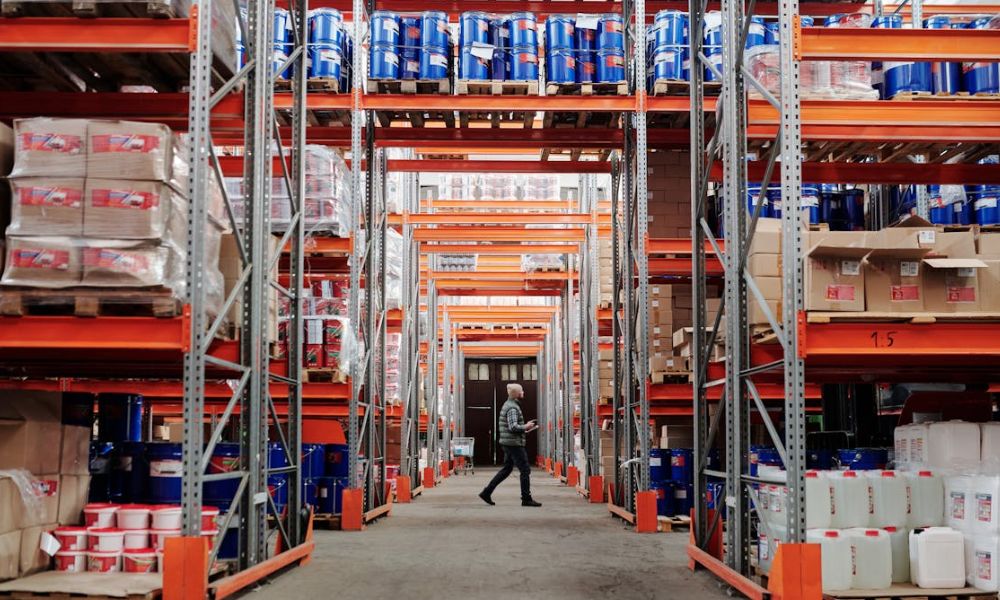
By consolidating its store districts, Target is effectively removing layers of middle management that critics say have slowed decision-making. The current layoffs at Target involve roughly 100 district-level positions and 400 roles within the supply chain network. While the loss of talent is significant, the company maintains that these Target layoffs are a “necessary step” to fuel a more robust guest experience through increased payroll for frontline team members.
Will Target job cuts improve the guest experience?
The skepticism among industry analysts is palpable. While the market often rewards lean operations, the success of these Target layoffs in 2026 hinges on whether the saved labor costs actually translate into visible improvements for shoppers.
- Increased Store Hours: The savings will reportedly fund more hours for existing store staff.
- Enhanced Training: A portion of the budget is earmarked for “guest experience training” across all locations.
- Streamlined Logistics: By standardizing its supply chain field model, Target hopes to solve the persistent out-of-stock issues that have plagued its aisles.
The layoffs in 2026 follow a larger corporate culling in late 2025, where nearly 1,800 roles were phased out. This suggests a broader trend: Target is aggressively stripping away its corporate bloat to protect its remaining market share against a resurgent Walmart and the relentless expansion of Amazon.
What’s the final verdict on Target layoffs in 2026?
From an economic perspective, Fiddelke is making a high-stakes bet. He is wagering that the brand’s salvation lies not in the “over-management” of logistics, but in the human interaction at the point of sale. If these layoffs at Target result in cleaner stores and shorter lines, the gamble may pay off. If they lead to further demoralization among remaining staff, the brand risks losing the very “guest” loyalty it is trying to save.
Ultimately, the job cuts at Target in 2026 reflect a harsh reality. In a world of high-velocity e-commerce, a brick-and-mortar retailer is only as strong as its last customer interaction. These layoffs in 2026 are a desperate, perhaps essential, attempt to ensure that interaction remains a positive one.
The recent Target layoffs of 500 staff members represent a strategic reallocation of resources from administrative oversight to store-level execution. As Target navigates layoffs in 2026, the focus has clearly shifted toward rebuilding customer trust and operational efficiency on the front lines, even at the expense of its supply chain and regional leadership.
Subscribe to The HR Digest for more insights on workplace trends, layoffs, and what to expect with the advent of AI.

AGAIN …Target will continue to fail. This is when upper management fails to see the Truth. Have they walked around a Target store lately …it is severely down in numbers of people walking down the aisle..but look outside and most have expanded their pick up parking spaces..what does that tell you ? Your customers are SHOPPING online ! TARGET needs to do what Walmart already figured out ..get rid of this invite only nonsense to SELL on their site and instead open it up to more legitimate third party sellers which you could cross market with Target in store products . That would hugely increase their revenue and move them forward with the next group of shoppers the Gen Z. No instead they are going to waste millions on a in store experience for WHO?