



Uber and Lyft drivers across California are closer to union recognition than ever before, marking a big step forward for gig workers across the country. Taking forward the work that began in regions like Massachusetts and Illinois, the California Gig Workers Union (CGWU) met the 30% threshold of active drivers in the region in favor of unionization, an achievement certified by the California Public Employment Relations Board. The union body will now face a 30-day waiting period before it can officially begin work as the collective bargaining representative for California Uber and Lyft drivers, which means that the two employers may soon have to gear up for contract negotiations.
“We built this movement because gig drivers spoke to other gig drivers, across languages, across counties, in airport parking lots, by text, and on social media,” Margarita Penalosa, an Uber and Lyft driver based in Los Angeles, explained in the CGWU announcement. “We overcame fear, hundreds of millions of dollars spent by the gig companies to undermine our rights at the ballot, and proved it’s not the gig apps that connect us; it’s our shared demand for fair pay and treatment as gig workers.”
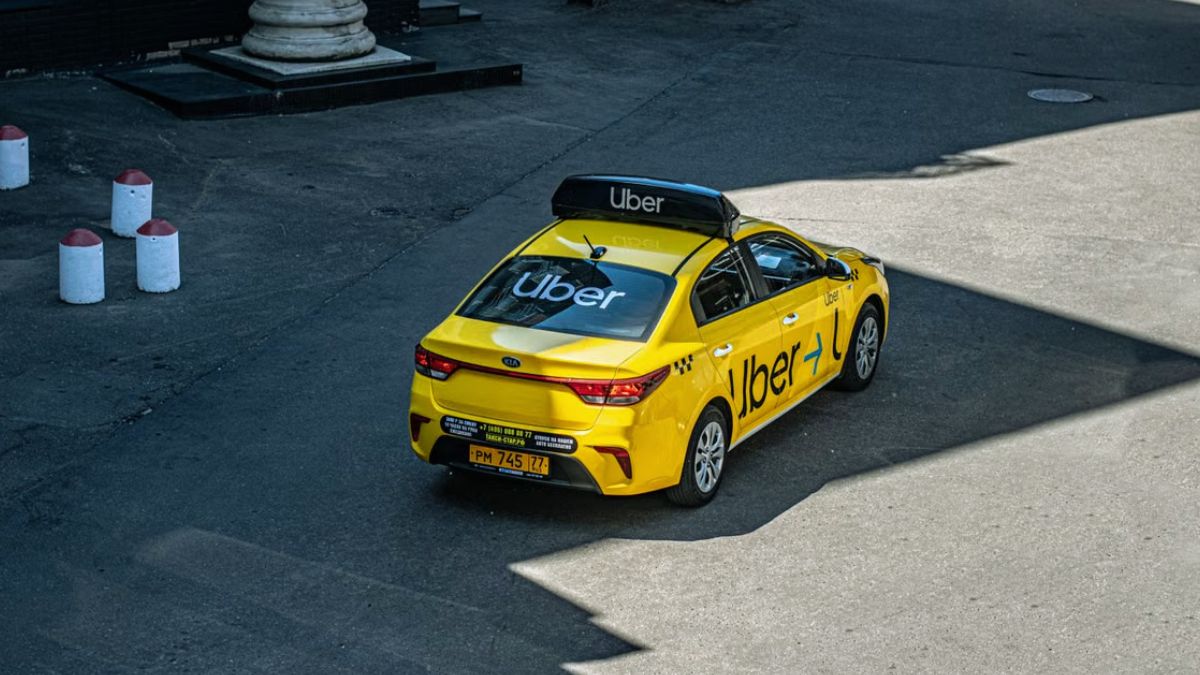
The CGWU is looking to “establish the largest union of rideshare drivers in the world,” following recent progress in California with Uber and Lyft gig workers. (Image: Pexels)
Uber and Lyft Draw Closer to Union Representation in a Big Victory for Gig Workers
Much of the work to bring union representation to Uber and Lyft drivers in California was spearheaded by wings of the Service Employees International Union SEIU), which represents over 2 million workers across the U.S., Canada, and Puerto Rico. From the CGWU’s own words, the work towards unionization for gig workers has been underway for years now, from the battle over Prop 22 to the signing of Assembly Bill 1340, which allowed for the establishment of the Transportation Network Company Drivers Labor Relations Act last year.
This key bit of legislation in California allowed for gig workers to “form, join and participate in the activities of driver organizations, to bargain through representatives of their own choosing, and to engage in concerted activities for the purposes of bargaining or other mutual aid protection,” and is largely the reason why the rideshare drivers union is close to formalizing representation for the Uber and Lyft workers.
Massachusetts was the first state to recognize an Uber and Lyft drivers’ union earlier in May, supported by 32BJ SEIU and united under the App Drivers Union, which is now certified to represent nearly 70,000 ride-share drivers in the state.
The Rideshare Drivers Union Represents an Important Step Forward for Gig Workers
Union representation is no small matter, as it gives leagues of workers within an industry or organization the right to represent their interests more vocally in front of employers, and collectively bargain a contract that improves the benefits and working conditions available to them. Unions not only help bring worker concerns to life but also provide backing and support in situations where employers are unwilling to hear them out.
Union-led movements are a big part of the legacy of blue-collar workers in the U.S., and many leading forces like the UWA and the International Brotherhood of Teamsters have expanded beyond any one organization or state to establish multiple chapters that can take care of local worker interests. Gig workers are particularly underrepresented in this regard, with their independent contractor status making it harder to enjoy the benefits the same as other workers.
Employers may not see unionization efforts quite as positively, but listening to the collective voices of employees and ensuring their interests are kept in mind when devising policies is good practice. The rideshare drivers’ unionization effort marks one step forward for one specific community of gig workers, but more factions of this group could seek representation in coming years as their own efforts are formalized. It isn’t too late to start getting ahead of this shift and meeting workers halfway.
Subscribe to The HR Digest for more insights on workplace trends, layoffs, and what to expect with the advent of AI.
