



A quick glance at the case against Cloudera, Inc. tells one everything about the current PERM sponsorship process. The U.S. Department of Justice (DOJ) alleges the company manipulated the PERM program by using a sham recruiting email address to sideline qualified U.S. workers. The cause has attracted further scrutiny to the H1-B visa pipeline that was already under the radar for fraud and systemic loopholes.
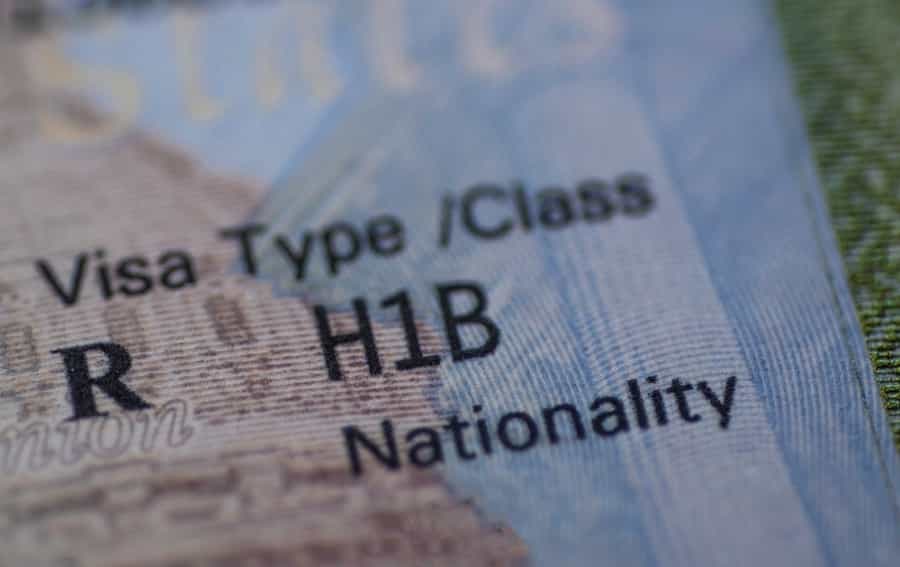
What is the Cloudera, Inc. case about?
The complaint filed by the U.S. Department of Justice alleges:
- A fake or unmonitored email inbox used during recruitment
- Failure to properly review applications from U.S. candidates
- Advancing foreign workers through the PERM sponsorship process despite available domestic talent.
This matters because the PERM Program is designed as a safeguard. Employers must prove no qualified U.S. workers are available before sponsoring foreign talent for permanent residency. If that safeguard is bypassed, it begins to resemble what critics describe as an H1-B scam in spirit, if not in strict legal definition.
Why the PERM Program Is So Vulnerable
The PERM Program operates on trust. Employers run recruitment campaigns, document their efforts, and attest to the results.
But here’s the truth:
Verification is limited, and enforcement is reactive.
Immigration policy analyst (fictional) Dr. Leena Varghese, who has studied H1-B visa fraud, puts it bluntly: “The system assumes good faith. When that assumption fails, the entire labor certification process becomes performative.”
How This Connects to Broader H1-B Fraud Concerns
The allegations against Cloudera land at a time when concerns about H1-B fraud are intensifying globally.
Recurring patterns across cases include:
- Ghost job postings with no real hiring intent
- Pre-selected candidates disguised as open recruitment
- Administrative loopholes in the PERM sponsorship process
While not every violation qualifies as outright H1-B visa fraud, the cumulative effect is the same.
Distortion of a system meant to balance opportunity and protection. For U.S. workers, it raises questions about fairness. For foreign workers, it creates dependency on opaque processes.
What Happens Next for Cloudera?
The legal process will determine whether Cloudera violated federal rules governing the PERM Program and H1-B visa pathways.
Possible outcomes include:
- Financial penalties
- Mandatory compliance reforms
- Increased federal oversight of hiring practices
But the broader consequence may be reputational. In an industry already grappling with layoffs and talent redistribution, trust is currency.
And right now, that currency is volatile.
What This Means for the Future of H1-B Visas
This case may act as a catalyst. Policymakers have long debated tightening the PERM sponsorship process to reduce H1-B fraud risks. A high-profile case involving a company like Cloudera could accelerate reforms.
Expect potential shifts such as:
- More stringent audit mechanisms
- Real-time monitoring of recruitment channels
- Greater transparency requirements for employers
Because at its core, this isn’t just about one company. It’s about whether the promise of the H1-B visa still holds.
Whether you want to stay up-to-date on HR news, read in-depth insights on HR trends or find new ideas on strategy, innovation, and leadership, The HR Digest Magazine is here to suit your needs and help you stay more informed.