The U.S. Department of Labor (DOL) recently issued a notice of proposed rulemaking that seeks to significantly raise the minimum salary requirements for H-1B visa holders. This proposal aims to update the “prevailing wage” levels used to certify that foreign workers are paid at rates comparable to their American counterparts. If finalized, the change would represent one of the most substantial shifts in skilled-worker visa costs in over twenty years.
Currently, the DOL uses a four-tier system to determine the minimum pay for foreign professionals based on their experience and the local job market. These tiers are linked to specific percentiles of the Bureau of Labor Statistics’ wage data. The new proposal suggests a sharp upward shift for every level.
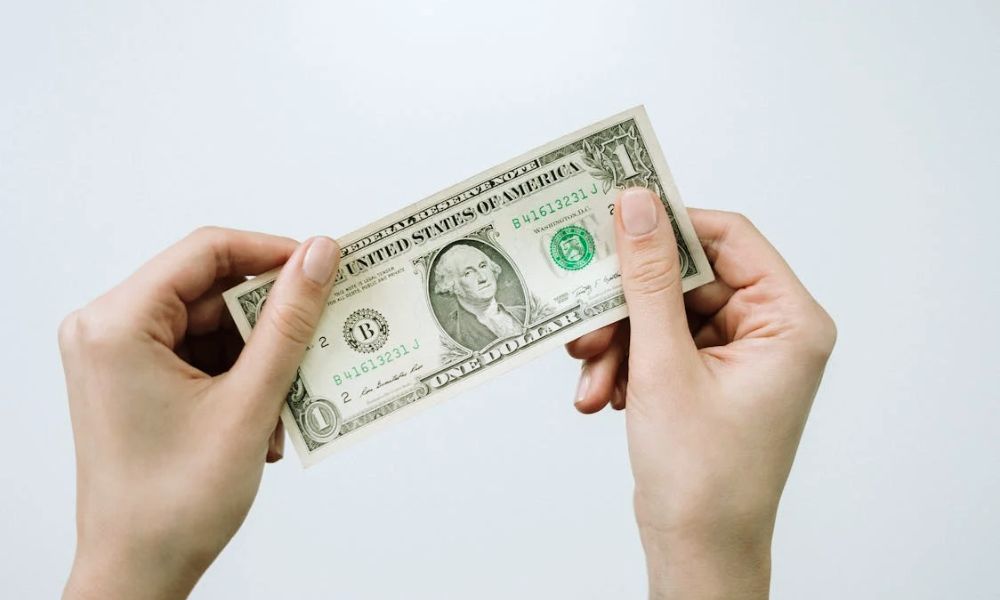
The DOL estimates this could increase the average certified wage by approximately $14,000 per year per worker.
Why is the DOL Proposing This Change?
Labor Secretary Lori Chavez-DeRemer stated that the current wage floors are outdated and allow some employers to pay foreign workers below true market rates. The department argues that setting these thresholds too low creates an incentive for companies to replace domestic labor with lower-paid foreign staff.
By raising the floor, the government intends to:
- Ensure foreign workers receive pay that reflects the real market value of their labor.
- Protect the job opportunities and wage standards of U.S. workers.
- Reduce the financial incentive to rely on the H-1B program for “cheap labor.”
Impact on Employers and Recruitment
For many businesses, these changes add to a growing list of hurdles for sponsoring international talent. This proposal follows other recent policy shifts, including a $100,000 fee for certain H-1B petitions and a new lottery system that prioritizes applicants with higher offered salaries. Legal experts suggest that the higher costs may lead companies to reconsider entry-level hiring. Small businesses and startups, in particular, might find it difficult to meet the 34th percentile requirement for recent graduates. This could result in a shift toward hiring more experienced professionals or moving specific roles to offshore locations.
What Happens Next?
The proposed rule was published in the Federal Register on March 27, 2026. A 60-day public comment period is now open, allowing stakeholders to submit feedback until May 26, 2026. It is important to note that these changes are not yet in effect. The DOL must review all public comments before issuing a final rule. Additionally, industry groups may challenge the regulation in court, similar to previous attempts to raise wage levels that were blocked by federal judges. For now, the new rates will only apply to new Labor Condition Applications (LCAs) and PERM requests filed after the rule becomes official. Existing H-1B approvals and current workers remain unaffected.