



Conducting remote interviews isn’t difficult, but perfecting it to ensure it creates a good impression on job seekers takes some work. These remote interview best practices should help with getting the process right each time.
In 2026, remote interviews are no longer a novelty. Most organizations conduct a fair bit of their hiring process online, regardless of whether they offer remote employment or not. For in-person roles as well, many of the initial rounds of interviews often happen online, particularly for roles where job seekers from different states apply for a role that will require relocation. Despite our frequent reliance on online interviews, the systems still aren’t entirely smooth and involve many hiccups, either on the side of the interviewer or interviewee.
The latter is harder for hiring teams to address and perfect, but ensuring that candidates have all the resources and tools they need can help iron out some of the existing wrinkles in the process. Improving the quality of your remote hiring interview process will not only ensure that candidates walk away with a good impression of the organization, but it will also help HR and hiring teams get through the process considerably faster. Let’s look at some best practices to consider to perfect your remote interviews.
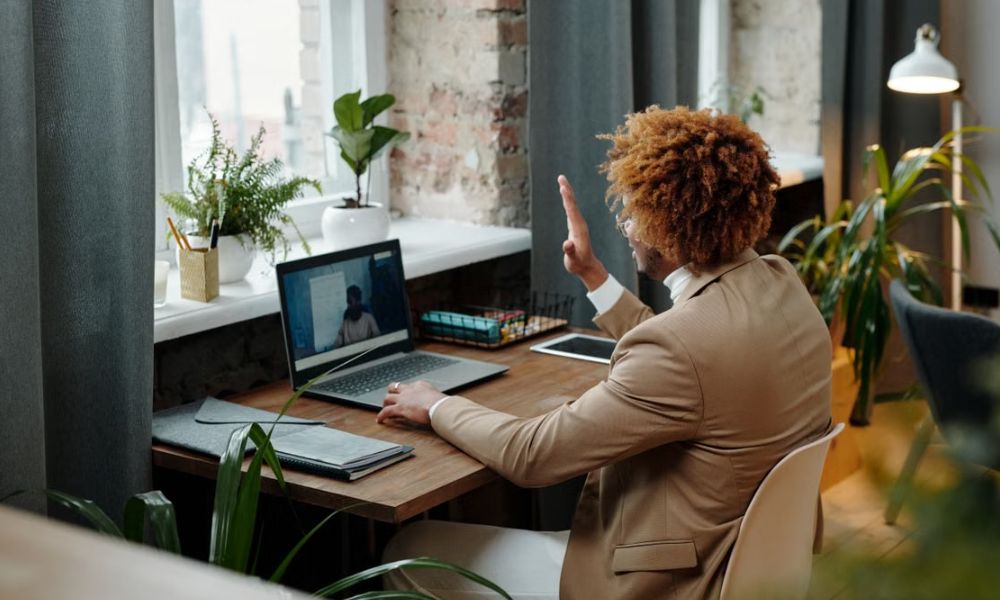
Conducting remote interviews doesn’t just mean taking the conversation online. Let’s explore the best practices to keep in mind. (Image: Pexels)
1. Understand the Ins and Outs of the Platform You Choose for Your Online Interviews
Many organizations pick a video call platform according to what applications are already used within the organization, but not every tool is well-equipped to handle the needs of the conversation. If your interviews involve lengthy tests and hour-long conversations, but you rely on a free service that times out in 45 minutes, you risk creating a very negative impression on the candidate and disrupting the process mid-way. It is also true that many interviewers aren’t fully familiar with the platforms and require additional time to find the right setting and features they need.
Knowing your way around a platform can present many advantages, for example, many interviewers now use AI tools to record the conversation and generate automated notes of the conversation. With the interviewee’s consent, of course. Employees have considerable reservations about AI usage, and notifying them about it beforehand can ensure that both parties are on the same page. Timely training for hiring teams can ensure they are confident in their hiring process and know how to make the best of the tools at their disposal.
2. Standardize the Online Interview Process for the Entire Team and Create a Guide for Them to Follow
Any interview, online or offline, should be conducted according to a standardized process set by the organization to ensure that all candidates are fairly treated and receive the same opportunity. When changes are introduced into the methodology, all the interviewers should be alerted to the update to ensure they’re on the same page. Creating an opening to discuss any questions, concerns, and hesitations hiring teams have regarding the process can help the entire team update their understanding of the procedure and conduct the process evenly.
3. A Guide Can Be Just As Useful to the Interviewee
Many organizations expect job seekers to be prepared for the interview without giving them any guidance on what they need to prepare for. With online tests gaining popularity, interviewers often begin the interview and then expect candidates to share their screen or perform a test without giving them a heads-up. This leaves the job seeker flustered and not performing to the best of their abilities.
One of our top tips for remote interviews is to communicate frequently and share relevant information when possible. Creating a brief deck or virtual interview guide introducing the organization, the purpose of the interview, any dress code expectations, and what employees will be expected to do ensure that both parties are already prepared for what’s to come without having to go over the process repeatedly.
Sharing this information with them a few days in advance, along with the meeting link, names of the interviewer, and other additional details, gives them time to prepare for the process and put their best foot forward.
4. Clear Out Distractions for the Duration of the Interview
When embarking on a mission to gather all the best practices for remote interviews, it is important to apply the same rules to yourself as you would to the job seeker. Candidates are expected to create a distraction-free zone and ensure that they do not step away to answer a phone call or respond to someone off-screen. It is important for interviewers to do the same.
With remote interviews being conducted on laptops and desktops, emails, messages, calendar updates, and other forms of distractions are likely always hovering on the screen. Picking a quiet spot, putting other notifications on silent, and ensuring that the interviewee has your attention are basic considerations for any interview, regardless of whether the candidate is in the room or interviewing from home.
5. Create a Complete Picture for the Job Seeker, Lead With Transparency
Interviews are just as much about giving the employees a sense of the organization’s operations as they are about testing their fit for the organizational culture. Without in-person interaction, many of the preliminary small talk and role introductions often get skipped over, leaving employees without clarity on what the day-to-day experience at the organization will look like. Without this initial discussion, employees are more prone to quitting once they do get hired, making this a futile process for both the candidate and the HR team.
It is important to be transparent about the work hours, company culture, pay scale, career progression, incentives and benefits available, and other aspects of the role. Transparency allows the candidate to make an informed decision, and hiring teams can feel more at ease knowing they made the right choice. Transparency and honesty are cornerstones to successful operations, and putting these principles into practice right from the interview stage, remote or in-person, is always recommended.
What are some remote interview best practices that you have put into practice? Share your thoughts in the comments with us. Subscribe to The HR Digest for more insights on workplace trends, layoffs, and what to expect with the advent of AI.
