



The gender pay gap is shrinking, but at what cost? Women are earning a larger share of men’s wages than they did 25 years ago, and yet the total earnings gap has never been larger.
According to a recent analysis of Federal Wage data, the estimated earnings lost to the gender pay gap over the past quarter century has reached an astounding $671 billion in 2025.
Women’s median weekly earnings more than doubled between 2000 and 2025, increasing from $493 to approximately $1,089, as per an analysis of U.S. Bureau of Labor Statistics data. During this period, women also narrowed the gender pay gap, earning 82 cents for every dollar earned by men in 2025, it’s up from 77 cents in 2000.
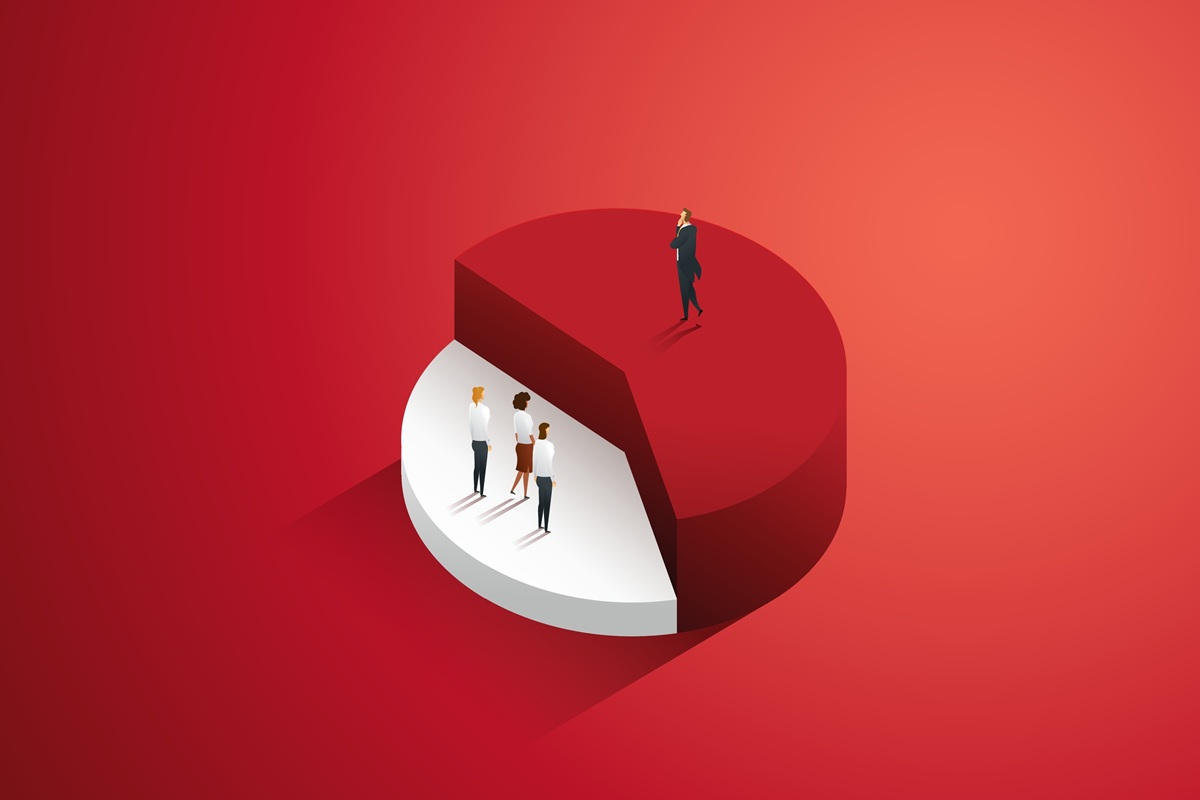
While it’s a celebratory figure, the smaller pay gap doesn’t mean a smaller financial impact. As the number of women working full time has grown and wages have increased, the remaining pay gap now adds up to a much larger loss across the American workforce.
“That figure may seem surprising because many people assume a smaller percentage gap would automatically translate into a smaller overall impact. Instead, the opposite happened,” said Jasmine Escalera, a career expert at MyPerfectResume in Miami. “There are millions more women working full time today than there were 25 years ago, so even though the earnings gap has narrowed as a percentage of men’s earnings, the remaining difference adds up across a much larger workforce.”
The truth behind the increasing gender pay gap
The core difference between men’s and women’s median earnings grew by more than 60% to hit $12,324 annually by 2025.
“Looking at the gap in actual dollars tells a more complete story,” Escalera said. “An annual difference of more than $12,000 can have a meaningful impact on someone’s financial life, from saving for retirement and building an emergency fund to affording housing, childcare, healthcare, and other everyday expenses.”
The domino effect now goes way beyond a single paycheck. Lower lifetime earnings also mean smaller retirement savings, reduced wealth accumulation and greater financial vulnerability later in life. Women are also burdened with a disproportionate share of caregiving responsibilities, which end up interrupting their career further widening earnings over time.
“Competitive pay is certainly an important place to start,” Escalera said. “But long-term earnings are influenced by much more than a starting salary. They’re also influenced by career progression, whether that’s through promotions, leadership experience, skill development, or taking on new responsibilities.”
Closing the gender pay gap requires much more than offering equal salaries. Long-term earnings are often shaped by what happens after employees are hired. This includes promotions, leadership opportunities, and compensation decisions that affect employees throughout their careers.
The findings, Escalera said, suggest “there’s value in helping employees understand how advancement works within an organization. Greater clarity around promotion paths and career progression can make it easier for employees to navigate their careers and pursue long-term growth.”
Why do you think the gender pay gap continues to widen in 2026? Share your thoughts in the comments with us. Subscribe to The HR Digest for more insights on workplace trends, layoffs, and more.