


Imagine trading your fluorescent-lit cubicle for a dappled forest path or a brisk walk along a city waterfront. It sounds like a vacation, but for many companies in Sweden, it’s quickly becoming a standard Tuesday. For the uninitiated, the term ‘Friluftsliv’ translated to “open-air living.” It’s a Norwegian philosophy that suggests humans are at their best when they’re connected to the natural world.
While Friluftsliv started as a weekend pursuit, it’s now transforming how we think about productivity and mental clarify during office hours.
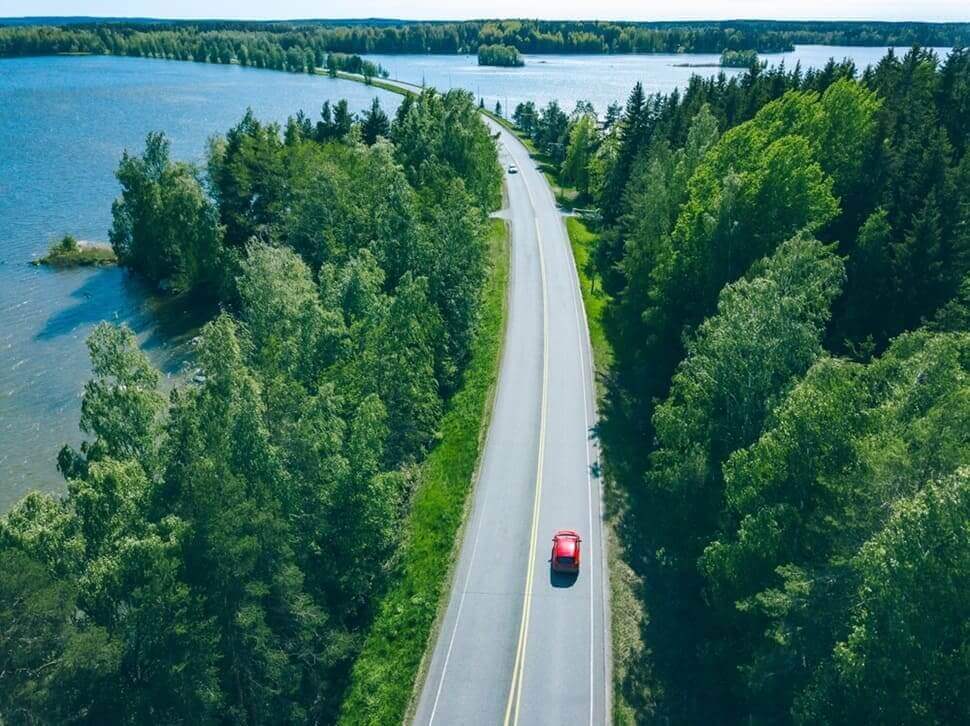
When teams embrace Friluftsliv at work, they often find that the walls of their problems begin to dissipate alongside the actual walls of the office.
What is Friluftsliv and why does it matter?
Friluftsliv isn’t about expensive gear or summiting peaks. It’s about the simple, intentional act of being outdoors. In a work context, it challenges the idea that we must be tethered to a screen to be productive. By stepping outside, we reset our nervous systems and invite fresh perspectives that simply don’t happen in a sterile conference room.
Reimagining Friluftsliv at work
Bringing the outdoors into your professional routine doesn’t require a complete overhaul of your company’s infrastructure. It begins with small, deliberate choices that prioritize fresh air over recycled ventilation. When teams embrace Friluftsliv at work, they often find that the walls of their problems begin to dissipate alongside the actual walls of the office.
Here are a few ways teams are making the switch:
- Moving weekly one-on-ones to local parks.
- Encouraging camera-off calls while employee walk their local trails.
- Hosting brainstorming sessions in open public squares instead of boardrooms.
What’s the science behind fresh air reset?
Our brains are wired to respond to natural light and organic patterns. When we’re stuck inside, our ‘directed attention’ becomes fatigued. This leads to that dreaded 3:00 PM slump where even the simplest email feels like a mountain.
Nature provides what psychologists call ‘soft fascination.’ Looking at trees or moving water allows the brain to rest while staying present. This recovery period is what leads to those ‘lightbulb’ moment.
How to build a nature-first culture at work
Today, most employee wellness programs are stuck inside the gym or a meditation app. While those have their place, they don’t solve the feeling of being trapped in a routine. Nature acts as a natural leveler. When a CEO and an intern are walking side-by-side on a trail the hierarchy softens. Communication becomes more honest, and the stress of the performance of work slowly fades.
If you’re an HR manager, start small. You don’t need a mountain range nearby to find the benefits. Even a ten-minute sit on a bench during a regroup can change the energy of a project. The goal is to make the outdoors a default setting.
The future of work isn’t in sleeker office chairs or faster processors. It’s found in the realization that we are biological beings who need sun, wind and green space to thrive.
Subscribe to The HR Digest for more insights on workplace trends, layoffs, and what to expect with the advent of AI.