



Are “digital twins” set to unlock a new chest of challenges for HR teams? That certainly appears to be the case. Much has been said about the rise of artificial intelligence, but we have also barely scratched the surface of what is possible. The technology has begun writing code, taking on customer service roles, and vastly altering the amount of work that can be processed and performed within a day. But as expansive as its presence currently is, it is likely only going to grow with time.
Many organizations are beginning to work with AI agents, individual iterations of the technology that can be trained to operate independently with minimal supervision. As an extension of this concept, we also have digital twin technology gaining popularity, offering employers a way to create digital replicas of their workers. As we continue to head towards a future where we can potentially staff our workforce with employees and digital twins working side by side, it is important to pause and consider what this will mean for HR operations.
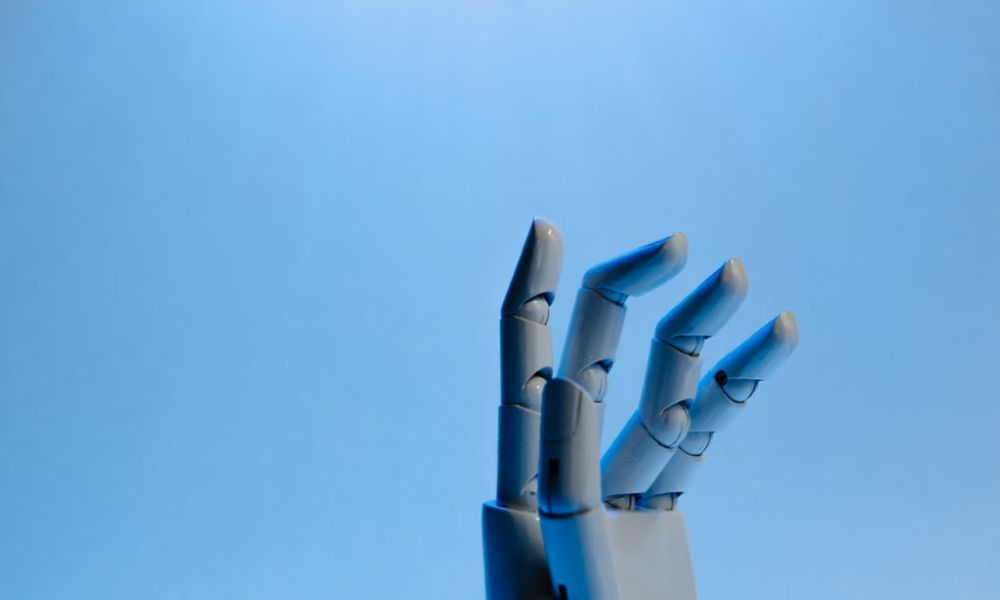
HR teams need comprehensive preparations before introducing digital twins of employees into the workplace as part of their everyday routine. (Image: Pexels)
The Latest HR Encounter: Digital Twins Are Redefining The Scope of People Management
Employee digital twins in the workplace refer to AI-based employees that are either modeled after the general idea of an employee or recreated according to a specific employee in the virtual space. It isn’t necessary to give this digital employee an identity for them to be functional, but doing so simplifies and solidifies the idea of working with an AI agent in accordance with the skills of the real worker. Functioning like an AI assistant or a sidekick with no personality of its own, an employee’s digital twin can be trained to perform the tasks and responsibilities of the worker, either operating alongside them or in their stead when necessary.
There are many reasons why the concept of an employee digital twin is catching on:
- Allows employers to duplicate skills and expertise
- Speeds up work processes by delegating tasks for the digital employee to perform
- Takes on the employee’s role during their absence, for example, when they have to take leave abruptly
- Allows employers to run test scenarios and compare different strategies and impacts safely without risks
- Creates opportunities for companies to adapt to industry-wide trends and changes quickly
- Helps employers run predictive analysis programs and develop targeted training plans to better benefit the workforce.
- Ensures the transfer of knowledge following the entry or exit of employees
- Reduces employee workloads and could address burnout if well-managed
The Future Of HR Is Digital, But Many Concerns Await
There is little doubt that the future of HR is heavily intertwined with that of IT. Even for companies that aren’t rushing headlong towards AI investments, HRIS tech and management tools are becoming increasingly important to manage operations more smoothly. Companies that are investing in AI agents or digital twins of their employees now need to reevaluate the role of HR in managing these virtual employees in collaboration with IT.
Demarcating what tasks are performed by the tech, evaluating workloads to ensure that employees aren’t overburdened with work, and ensuring that security and safety remain at the center of these considerations are non-negotiable. The issue of accountability is also critical for HR teams to address, as the technology is still prone to hallucinations and errors. This also extends to errors and biases in assessment, as simulations run on the basis of these models may not always accurately replicate or reflect results in real life.
Many employees already feel strongly about the increasing reliance on AI in the workplace, and the creation of digital twins may further strain them. Addressing their concerns, discussing data safety and privacy matters, and acclimatizing employees towards the use of such tech will require dedicated effort.
Planning For the Long-Term Impact of these Digital Twins Falls to HR
This digital twin technology also brings up concerns about the retention and ownership of data. Employees remain rightfully worried about employers training digital twins on their likeness as a way to replace them, as there is already evidence of such practices when it comes to training AI agents. When duplicates of employees are created and owned by the organization, the severity of the issue doubles.
There is also the psychological impact of the increasing overreliance on tech. With the disuse of essential skills, there is a severe risk of eroding talent and leaving workers unable to work without assistance in time, causing their skills and abilities to stagnate. This hurts the employee’s chances of retaining their role, making it all the more likely that they lose their jobs to the technology.
These are very real workplace issues for employers and HR teams to understand and address. By rushing towards adoption without planning, employers may well be opening themselves up to serious retaliation, where no legal precedent exists to better understand how to navigate these landmines. These concerns may not make themselves apparent at once, but planning and transparency are key elements towards understanding the potential impact of such changes on the workplace.
How do you feel about setting up digital twins in the workplace? Share your thoughts with us in the comments. Subscribe to The HR Digest for more insights on workplace trends, layoffs, and what to expect with the advent of AI.
