



Age discrimination at work doesn’t always announce itself on a glittery banner with hanging pinatas. It can quietly sink into the work setting, sometimes dressed as a compliment, often as a joke, and in rare but unsettling cases, as a raised eyebrow questioning one’s efficiency. In this Q&A with Jane, we uncover the many layers of age discrimination in the workplace. If you’ve ever wondered what qualifies as age discrimination or felt the quiet sting of ageism at work, whether as a young or seasoned employee, this candid thread offers clarity on what matters at most in a work setup.
A reader writes:
Dear Jane,
I’m 36, but I’m often told I look much, much younger. During meetings, I’ve noticed comments about how mature I sound as though I’m being constantly assessed at work by my peers. I am certain I am not overthinking at all. Could the condescension and backhanded comments be a form of age discrimination at work? If not, how do I tell the difference between harmless remarks and actual ageism in the workplace?
Sincerely,
A not-so-23-year-old-professional
Nevada
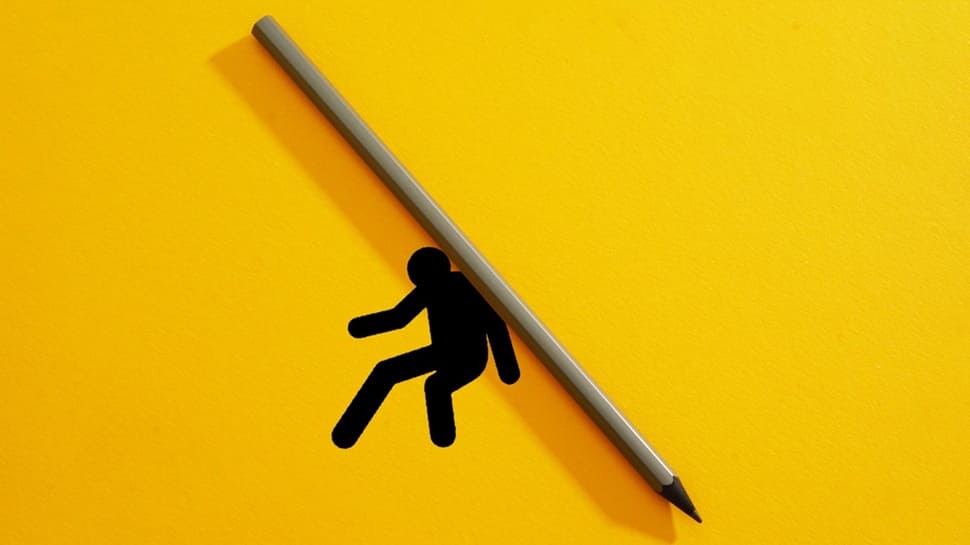
Let your confidence and competence speak. But don’t let your silence become a habit. If something feels off, it probably is.
What qualifies as age discrimination at work? Jane’s advice…
There’s a peculiar sting to being underestimated at work. It doesn’t come dressed as lack of skill, or want of experience, but in the form of something as random as age. Age discrimination in the workplace has long been painted as a problem solely reserved for those reaching retirement.
We now live in a world where ageism at work stretches across generations. People face crude remarks that are often wrapped in civility but carry the same dismissal. And so, the question is no longer about what qualifies as age discrimination anymore. It’s often about how we overlook it, excuse it, or worse, internalize it until it affects our productivity and self-esteem.
It’s wrongly assumed that ageism in the workplace doesn’t affect careers. In fact, it ends up altering one’s confidence, perception, and even the way people show up in meeting rooms.
What truly qualifies as age discrimination isn’t always a policy violation from the employee handbook. Often, it’s a wild pattern that we’re too strained to notice. You’re spoken over, underestimated, or praised in ways that feel weirdly backhanded. When someone tells you that you’re mature for your age they may think they’re compliment you. But the reality is that they’re anchoring you to a lower baseline.
This is where ageism at work begins.
Moreover, age discrimination in the workplace isn’t limited to a particular age group. While our nation’s legal framework focuses on older employees, ageism toward younger people is just as pervasive. We’re sitting on a culture that distrusts young employees and sidelines their experience at work. It’s either ‘too young to lead’ or ‘too old to adapt’.
How to handle age discrimination in the workplace
So how do you tell if it’s real? Ask yourself one simple question: would the comment or behavior exist if my age wasn’t part of the equation? If the answer is no, then you’re facing age discrimination at work.
A single remark may be passed off as ignorance. But when it becomes a pattern, it’s part of the workplace culture. And culture rarely shifts within a company without solid resistance and support.
My advice is practice: anchor yourself in your work. Let your confidence and competence speak. But don’t let your silence become a habit. If something feels off, it probably is. You should trust your instincts, they’re often more accurate than any handbook or legal framework on what qualifies as age discrimination at work.
You don’t need to confront your peers just for the sake of it. A measured question, such as ‘what do you mean by that?’ can bring faster resolution and put an end to things.
And if the environment continues to feel toxic, you must walk away. No role is worth shrinking yourself into a mould you never agreed to in first place. The right culture won’t make you feel like you have to earn respect in every interaction and every meeting.
Anyone you can’t see that you’re exactly where you’re supposed to be is revealing more about their mental aptitude and limitations than yours.
Are you facing a tricky workplace dilemma? Write to Jane Harper with your questions on workplace conflict, policy issues or people management problems. Your situation could be featured (anonymously) in a future column.
Don’t let the changing world of work derail your hiring instincts. Send in your HR queries with the subject line ‘Ask JANE HARPER’ at info@thehrdigest.com.
Subscribe to The HR Digest for the latest HR news and employment trends.