



Tokyo is asking its employees to ditch their business attire for shorts and short-sleeved shirts in the workplace, abandoning standard practice to help in coping with the ongoing heatwave. The story is a humorous one on the surface, but it’s a good reminder of just how important it is for employers to adapt to the needs of the hour and make decisions that best benefit the workforce.
Rules in the workplace are meant to be standardized, ensuring that there is equality and uniformity in operations. There is also a degree of flexibility that is essential, where the business must remain adaptable as it clears out unnecessary complications. Such is the case with the “Cool Biz” initiative in Tokyo, where the Japanese government has stepped up to help its workforce cope with the ongoing heatwave that saw temperatures soaring to 35°C or 95°F.
As a result of this decision, government officials in Tokyo have been asked to forego the formal business attire that they are typically expected to adhere to, in exchange for t-shirts and shorts that will help them stay cool. While there are some reservations about the switch, making the unequal treatment between male and female employees more apparent, it does serve as a good example of how unique problems at work can sometimes be solved by solutions that feel just as unique to the community.
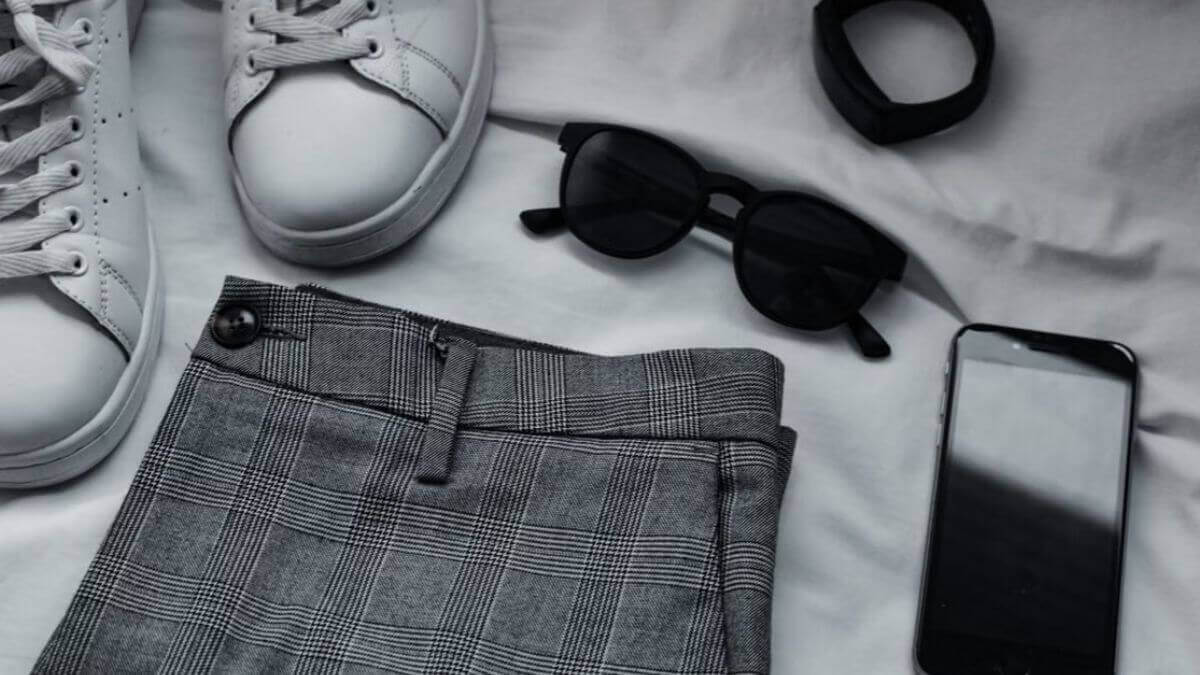
Tokyo drops its emphasis on formal business attire for shorts to beat the heat. It’s a simple shift in policy, but an important shift in well-being. (Image: Pexels)
Workers in Tokyo Are Donning Shorts to Go to Work: How Ditching the Business Casual Attire Is Helping Employees
The Tokyo Metropolitan Government has encouraged employees to wear shorts, t-shirts, and trainers to work, following Governor Yuriko Koike’s “Tokyo Cool Biz” initiative introduced in April. While the campaign was first introduced last year, it has seen greater attention drawn to the matter this time around. While casual attire in the workplace isn’t an entirely foreign concept in Japan, the large majority of the corporate workforce dresses in business formal. This shift might come as a culture shock to some, but it has multiple benefits. While the primary reason for the shift is comfort and coolness at work, it also reduces the pressure on workplace cooling systems.
“We want to give people more options in the severe heat, not tell them what to wear,” Noboru Watanabe, a Tokyo environmental official, told the BBC. “There should be no issue as long as the work attire is not offensive to anyone.” And it’s true, the attire sounds inoffensive to most, but the reaction to it hasn’t been uniformly positive.
Women in Tokyo Aren’t as Thrilled About Male Colleagues Wearing Their Shorts to Work
Many women at work have reportedly voiced complaints over “leg hair harassment” or “sunehara”, a term coined over the unwanted exposure to a colleague’s hairy shins. The complaint may sound shallow to many, but it does align with the cultural norms of not just Japan, but the treatment many women regularly see over their own body hair. The Japanese are particularly sensitive over social faux pas, some of their preoccupations even giving rise to niche disorders, and this appears to be an extension of that same attitude towards informal practices in formal settings.
Looking beyond the headlines, while men in Japan may have permission to temporarily relinquish their business attire, the reports suggest that women in the workplace aren’t as free to dress as they please. Women are always expected to wear tights to cover up skin that might be exposed in a skirt or dress, and it’s likely that this hasn’t changed to accommodate the heat. Biased shifts in the office space are always likely to draw criticism for one reason or the other, and this situation is no different.
A Simple Solution to a Problem is Always Close at Hand
While women in Tokyo continue to acclimate to the discomfort of witnessing leg hair in a professional setting, it may be best to ensure that they are also allowed more relaxed policies around dressing more comfortably in the workplace. Their issues with the view may be theirs to come to terms with, but they should also be free to bring their own shins to work undisguised, hairy or not. Equality in the enforcement of policy is one consideration that many employers miss out on, leaving workers to grow more resentful of change.
Japan’s short-and-shins-in-the-office policy may not look like a matter of much relevance, but it does serve as a reminder that there is often a simple solution that is more joyful than a complex and professional one. There are many ways to apply this logic. Summer Fridays are often used in the workplace to help employees get through the hot summer months with greater ease. Standing desks have exploded in popularity following rising concerns over employees sitting at their desks all day. While it doesn’t solve the problem of inactivity, it allows workers an alternative.
A Swedish pharmacy is experimenting with a “friendship hour” concept to combat employee loneliness, allowing employees 15 minutes a week or an hour a month to reconnect with their friends or make new ones during work hours. There are many issues in the workplace that go unaddressed because they don’t cause glaring roadblocks and halt all work. Addressing them can make life easier for employees, a few minor tweaks and changes to ensure that comfort and well-being are never ignored.
What do you think about Tokyo’s updated stance on business attire? What is the most unique benefit or change in workplace policy that has helped improve your on-the-job experience? Share them with us in the comments. Subscribe to The HR Digest for more insights on workplace trends, layoffs, and what to expect with the advent of AI.
