


Settle in for our review of The Devil Wears Prada 2, where we dive into toxic bosses and their role in shaping the future of the workforce.
No one quite pulls off stoic charm as Miranda Priestly does, but the glitz and glamor can no longer hide what we all know: Priestly is a toxic boss like no other. It’s just a movie and not all media requires a deep dive to understand what is evident on the surface, but we’d be lying if we said we weren’t itching to pen down our own review for The Devil Wears Prada 2. Bringing the well-loved cast of the original Devil Wears Prada movie together for the sequel, the new film is charming and heart-warming in its own way, wrapping up many complex ideas and aspirations in luxury fabrics and knife-edged shoes.
The sequel builds on the strengths of the original, taking its star-studded cast to new, unattainable heights, but it also doesn’t shy away from addressing workplace issues and dynamics that most of us are familiar with, including toxic bosses. While the original managed to charm us into thinking that success follows those who adapt, the sequel, however, reminds us that such leadership is rarely effective, or welcome, in the real world. Some might scoff at the idea that the movie has a lot to teach us, but there is much to learn about work culture, career ambitions, and just how damaging a toxic boss like Miranda Priestly can be over time.
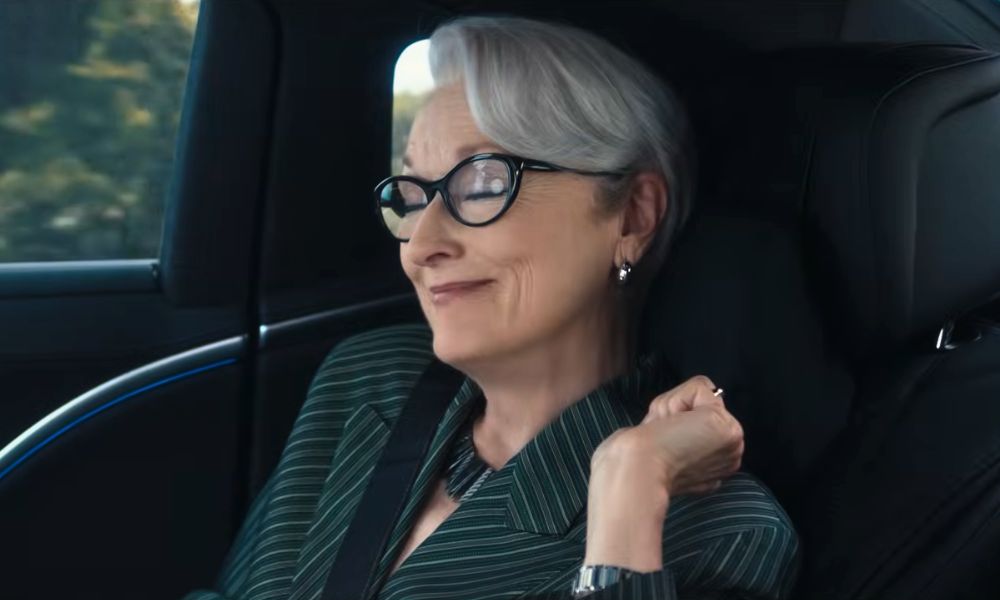
Miranda Priestly’s identity as the toxic boss is easy to ignore when it’s Meryl Streep looking down her nose at you, but our Devil Wears Prada 2 review takes a closer look at why leadership like this is not ideal for business. (Image: The Devil Wears Prada 2 | Final Trailer)
The Devil Wears Prada 2 Review: It’s Miranda Priestly’s World—or at Least It Used to Be
Miranda Priestly, played by the undeniably magnificent Meryl Streep, returns as our icy queen, strutting around with a disdain for worldly concerns and a single-minded desire to keep all eyes focused on the world of fashion. On the surface, not much has changed with her character from the original Devil Wears Prada movie, as she continues to hold contempt for all whom she deems unworthy of her attention. But even the toughest rocks start to show some cracks with time, and the seams unravel further with Priestly just the same.
With pressures mounting and the world slowly stepping away from magazines and editorials to 30-second reels to appeal to the attention spans of the young, her concerns around the death of tradition are entirely reasonable. So are the appeals she makes to those who hold the money in their hands as she humbles herself just enough to play to the whims of Irv Ratvitz, the owner of the magazine. Not only does this dilute some of the air of confidence and success that Miranda wields in the original film, but it also reminds us of just how precarious success is in the modern world.
Many may see this as a weakness of the film, embarrassed to bear witness to her insecurities and the lengths she has to go to keep her job at the top. And yet, it also serves as a realistic reminder of the fragility of leadership today, and just how vulnerable employees are, even those who serve as the face of the brand. It’s no wonder that the rest of the workforce remains hung up on things like job insecurity and fears of being replaced.
Miranda Priestly Has Always Been a Toxic Boss, but Such Leadership Is Rarely Welcome In the Workplace
No one has ever described Miranda Priestly as an empathetic or communicative leader who instills her workers with confidence. And yet, she does play the role of a boss who evokes awe and sets aspirational standards for her employees. We’ve all been taught that if you shed your emotions and push yourself to the limits, you too can be successful one day. Some might say that Priestly succeeds as a leader because she manages to get the job done and keep her workers in line, but in reality, her workers don’t succeed because of her. They grow in spite of her, with a little help from Stanley Tucci.
Such a tight-fisted approach to leadership has rarely brought real results to an operation and only serves to push the workforce further away from the organization. It’s no surprise that both Emilys of the original quit their jobs and moved away to find success elsewhere, as it was evident that Priestly repeatedly stifled their ability to grow. Andrea, played by the eternally youthful Anne Hathaway, finds success as a journalist and only returns because of every CEO’s favorite buzzword for 2026: layoffs. Emily Blunt, as snappy and red-headed as ever, also finds success in fashion retail, but her ambitions far exceed her post.
Apart from leaving us speechless every time she shows up on screen, Simone Ashley, who serves as Priestley’s latest assistant, appears more equipped to survive the harsh world of fashion better than any of the Emilys of the past. She also manages to preempt her boss’ needs and get her inappropriate commentary under control, but this does little to dull the toxicity.
Talking down to employees, abandoning them on the sidewalk, belittling their ideas, and treating them like a coat rack may look like the power move of the century, but no one is safe from a call from HR and resulting escalations that could have you lose out on the latest opportunity. If basic etiquette isn’t enough to prevent bosses from disrespecting employees, we hope this unfortunate image of HR will serve as a deterrent at the very least.
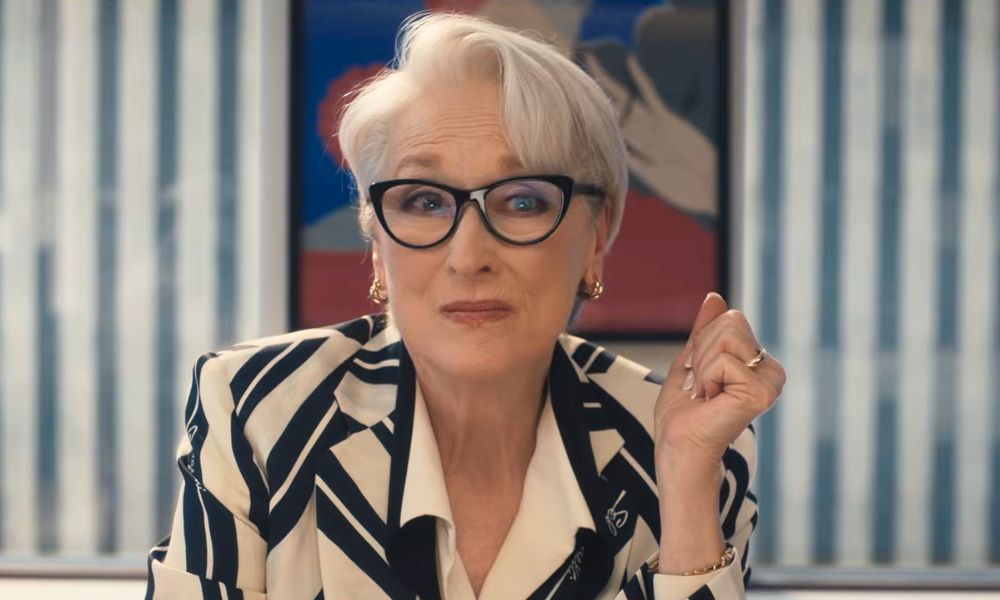
The Old Must Make Way For The New: Where We Fail In Creating Opportunities For the Future of the Workforce
While we won’t give away too much about the movie, one of the biggest red flags about Miranda Priestly and her role as the no-nonsense, toxic boss is her refusal to allow talent to grow. Some might say that she understands the industry and what it needs best, and her quest to preserve tradition is a worthwhile one. In our Devil Wears Prada 2 review, we agree to an extent.
However, Priestley’s refusal to acknowledge and appreciate the new ideas that Andrea brings to the workplace is one of the biggest inhibitors to business growth. Some leaders are currently asking for employees to experiment and innovate in 2026, but only to further AI advancements and the internal application of the technology. Most of the other ideas that employees might have about the business go unheard.
In the same vein, Priestley also holds Emily’s career back with her assertion that she isn’t good enough to lead Runway and steer the publication towards success. Such actions can be ruinous for an employee’s career. Across workplaces today, there is a distinct lack of mentorship and opportunities for graduates to gain insight and experience on the job.
Rather than see guidance towards paths where they might find growth, most are fired, or even worse, dismissed from the hiring process for being inexperienced. Not every employee can be a leader right off the bat, and some may be better suited for other positions. Yet when older, experienced workers refuse to create room for future talent, resentment and stagnancy are unavoidable.
And That’s It for Our Devil Wears Prada 2 Review
The Devil Wears Prada 2 represents everything girlboss culture once taught us, and showcases familiar ideas we hear repeated about women who aspire to take on leadership roles. It, perhaps wrongly, reminds us that women have to be cut-throat and cunning to survive in the world, bowing to no one, except for those who hold all the money in their hands, of course. It also tells us that those who find success must defend their position against everyone, even future employees who aspire to be just like them. In Priestley’s world, women who love their jobs must sacrifice all else to thrive, which are all ideas we can do without.
There’s a lot more than can be said about The Devil Wears Prada 2, but we’ll save the rest for another day and place. For the most part, the movie succeeds despite early fears of it turning into an unnecessary cash grab. It takes us back into the world of high fashion, where the look-don’t-touch appeal of it all has us pining for more. Despite all odds, it manages to wrap modern issues like layoffs, toxic work cultures, and career change dilemmas all into one neat comedy-tinted visual experience, offering up a movie that isn’t only delightful to watch but also forces us to confront the many ways that the modern world is struggling today.
The romance storyline fades into the background and allows the web of interconnected experiences of our leads to shine through, which is a welcome change of pace. The fashion folk may have stronger opinions on the outfits and styles showcased here, but for everyday people like us who dream of looking that stylish at work, this was a spell-binding experience. Perhaps someday we’ll be able to look as dreamy as Anne Hathaway does when she tackles topics she cares strongly about, as we have with this Devil Wears Prada 2 review.
For now, we’re happy enough to walk away from the movie thinking about everything that we loved and everything we would deem an HR violation. There’s a lot to consider on both fronts.
Share your reviews of the Devil Wears Prada 2 with us, or tell us what you think about Miranda Priestly as the toxic boss or one who can do no wrong. Subscribe to The HR Digest for more insights into the workplace and the many ways that culture and conversation shape the rules of employment today.
