


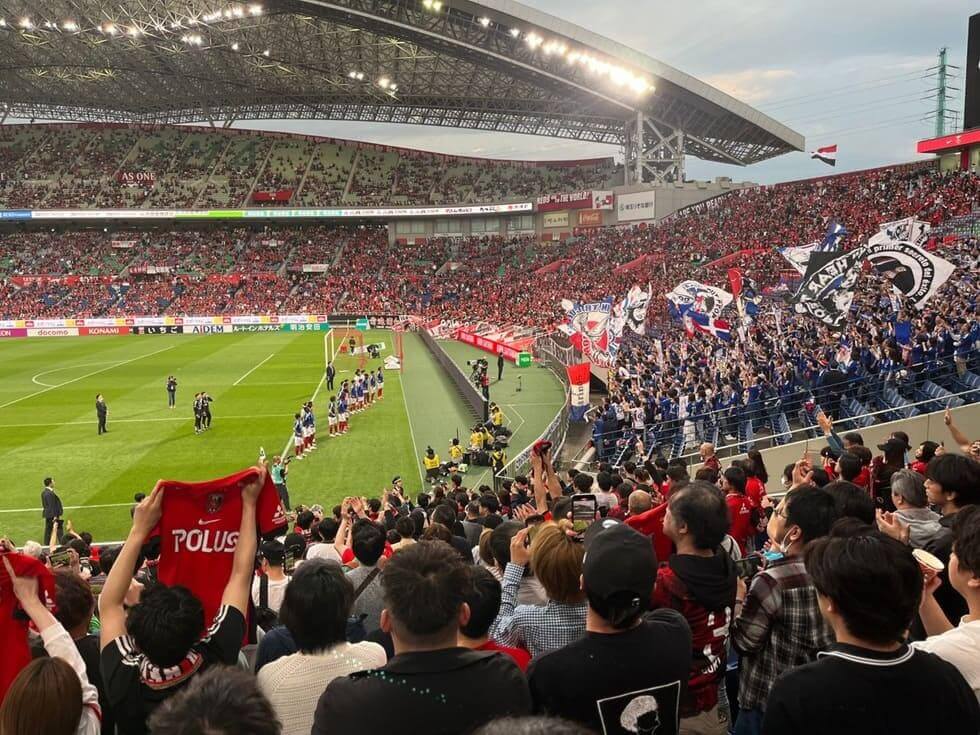
The much-awaited spectacle that ties nations together in collective joy and despair sits on a billion-dollar drain for corporate. According to a comprehensive survey by UKG, the FIFTA World Cup, which commenced on June 11 and spans 39 days, is set to put a $17 billion drain on productivity. It doesn’t come as a surprise that this sport makes fans want to skip shifts, arrive late, or log on while nursing hangover.
The survey by the human resources platform captured responses from 8,000 employees across eight nations: Australia, Canada, France, Germany, Mexico, the Netherlands, the UK, and the US.
In the U.S. alone, the corporate productivity loss due to FIFA World Cup is set to be at $11.7 billion.
According to UKG, 22% of workers plan to clock in to work while exhausted from late nights or early mornings spent watching the games. Moreover, 11% confess they will attempt to perform their duties at work while hungover.
A much-needed distraction for workers, but a headache for companies
The allure of the FIFA World Cup is undeniable! UKG found that 37% of employees globally plan to adjust their working hours to accommodate the matches. Moreover, 27% admit they will arrive late, leave early, or simply take a leave of absence from work. A third of the workforce intends to take at least one full day off during the World Cup.
While the U.S. bears the brunt of the monetary loss, the productivity drain is international. According to UKG, below is the projected economic loss due to productivity drain during the FIFA World Cup in 2026:
- United States: $11.7 billion
- Germany: $1.34 billion
- United Kingdom: $912 million
- France: $749 million
- Australia: $653 million
- Canada: $479 million
- Netherlands: $388 million
- Mexico: $369 million
These figures highlight a grim truth for employers. When major sporting events overlap with business hours, the corporate ledger undeniably suffers.
Absenteeism, productivity loss and hangover during FIFA World Cup 2026
The treat to productivity and output goes much beyond the cubicles. Presenteeism poses an equally insidious risk. According to UKG, 22% of workers plan to clock in to work while exhausted from late nights or early mornings spent watching the games. Moreover, 11% confess they will attempt to perform their duties at work while hungover.
While absenteeism and presenteeism in the workplace are on two ends of the productivity spectrum, the consequences of both during the FIFA World Cup in this case are immediate and costly. Customer experience dampens, output plummets, and the morale of the remaining staff takes a hit as they struggle to cover the sudden operational gaps.
Companies facing this unique challenge can no longer afford to treat the ongoing World Cup as a minor hiccup. HR professionals must establish clear communication channels and adapt their models to handle sudden absences. Offering practical flexibility might mitigate the worst of the disruption, transforming a bigger crisis into a solid opportunity to build trust and transparency with employees.
Subscribe to the leading HR Magazine to receive exclusive Human Resources news and insights directly to your inbox.