



Will AI replace all jobs by 2030? This anxiety has lingered in offices and factories since the sudden explosion of generative models. Of course, we have been subjected to endless forecasting, assuring us that human labor is, after all, replaceable. Yet, a trend is picking up from the very boardrooms that championed mass layoffs in 2025 and 2026.
Research firm Gartner has issued a projection that should serve as a reminder for the technocratics. According to Gartner, half of all workforce cuts made to support AI expansion will be reversed by 2027. If we ask whether AI will take jobs, the answer appears to be a YES, followed by a sheepish request for staff to return.
What’s interesting is that Forrester reports that fifty-five percent of employers who recently restructured their workforce with layoffs in 2025 and 2026 now view the decision with regret.
Could it be that we are witnessing the collapse of a fantasy fueled by AI?
The answer is much more complex.
What’s competence in the eyes of AI expansion
Experts believe the fundamental flaw comes from a gross misunderstanding of human labor. Executives were convinced that jobs replaced by AI required nothing more than simple task execution. However, companies ended up trading nuance for raw information retrieval.
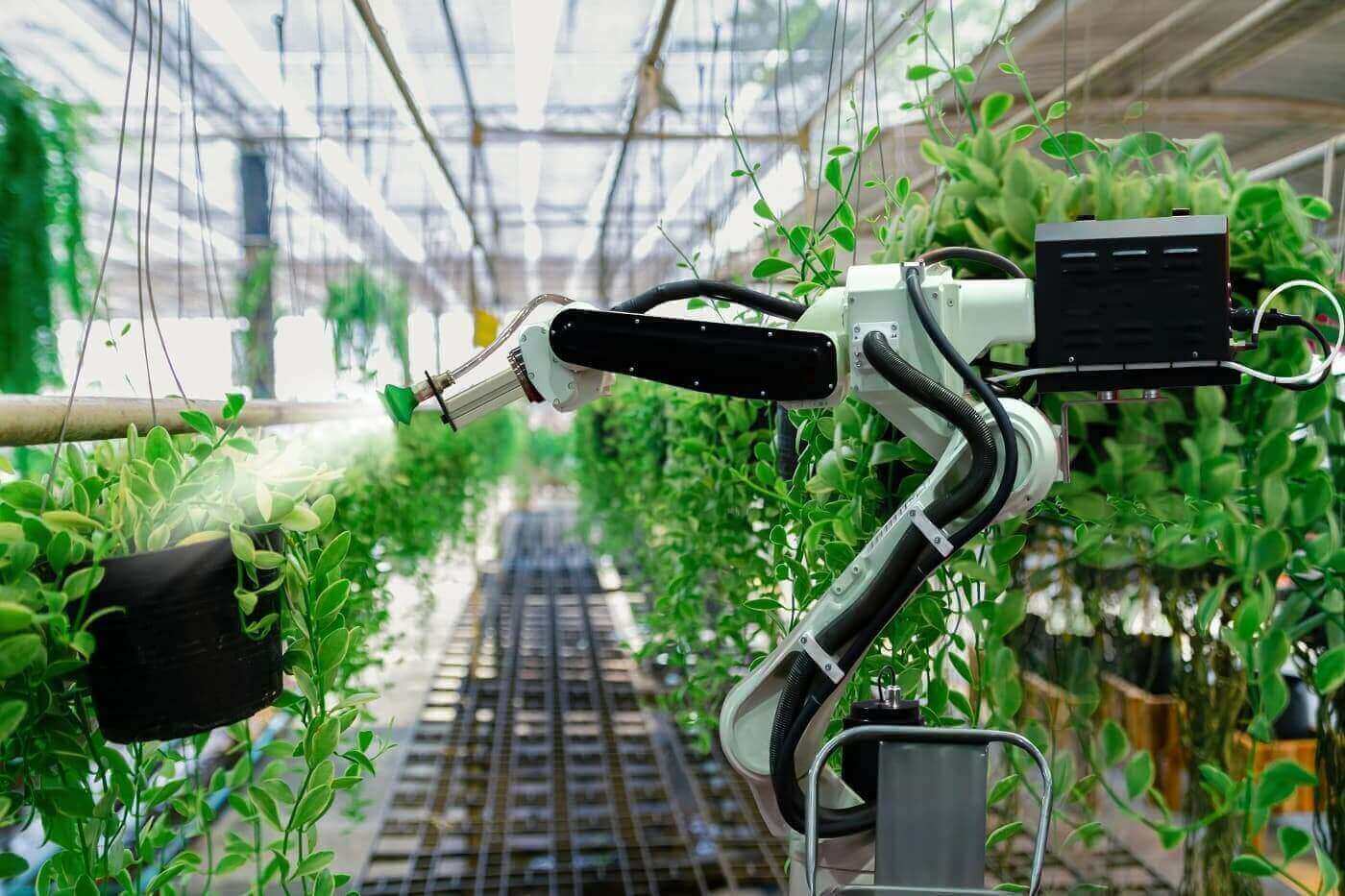
Forrester reports that fifty-five percent of employers who recently restructured their workforce with layoffs in 2025 and 2026 now view the decision with regret.
This distinction is important. A language model would have ingested every medical textbook in the history of mankind. But no sensible hospital would permit a chatbot or agentic AI to perform surgery.
This is still an unbridgeable gap between processing text about an action and bearing the immediate weight of performing that action.
Let’s look at the cautionary misadventures of Klarna when it attempted to automate customer relations at scale. The financial technology company ran this experiment to manage extraordinary volumes of customer interactions through AI. Predictably, they were forced into a retreat, publicly acknowledging that prioritizing efficiency over quality is unsustainable. The algorithm could categorize complaints at blinding speed but was unable to sit with a distressed customer and rebuild trust. The belief that AI will replace jobs entirely is just a nightmare that holds no root in the daylight.
The price companies pay when AI replaces jobs
The consequences of AI replacing human jobs extends far beyond simple, operational hiccups. When a company announces layoffs in favor of AI, it shatters the foundational trust within its employees. To quietly rehire those roles back months later only creates a demoralizing whipsaw effect for the rest of the workforce.
One cannot easily reconstruct the pattern recognition, institutional memory, and the client relationships that vanish when workers are shown the door. These are invisible assets that nobody talks about openly.
There is an emerging consensus that is more than obvious. AI must function as a tool to process the mundane so people are free to apply their expertise to nuanced problems.
An algorithm has read everything but lived nothing. Until executives grasp this reality, they will continue to lay off their most valuable assets, only to spend the next few years desperately trying to recruit them back.
If the question remains whether jobs replaced by AI will vanish entirely, the current corporate retreat on this matter suggests otherwise. The future of work relies not on human replacement, but on an intelligence alliance between AI and human wisdom.
Subscribe to the The HR Digest magazine to receive exclusive HR news and insights directly to your inbox.