



Workplace politics are never easy to navigate, and the judgment you face at work can often last a lifetime. Fearful of what colleagues might think about them, workers are increasingly turning to AI because they find it less judgmental. This comes as no surprise. AI chatbots are typically primed to agree with the user and positively communicate with them users no matter the context, which makes it a more non-judgmental, non-confrontational alternative. The ease of access makes it all the more appealing.
While this does help employees feel more confident about themselves and their capabilities, the technology is also severing the connection that people have in the workplace. With little reason to turn away from AI at work, everyday connections are slowly eroding, leaving workers more isolated, despite the ongoing push to bring workers back to in-person work to restore their links with each other.
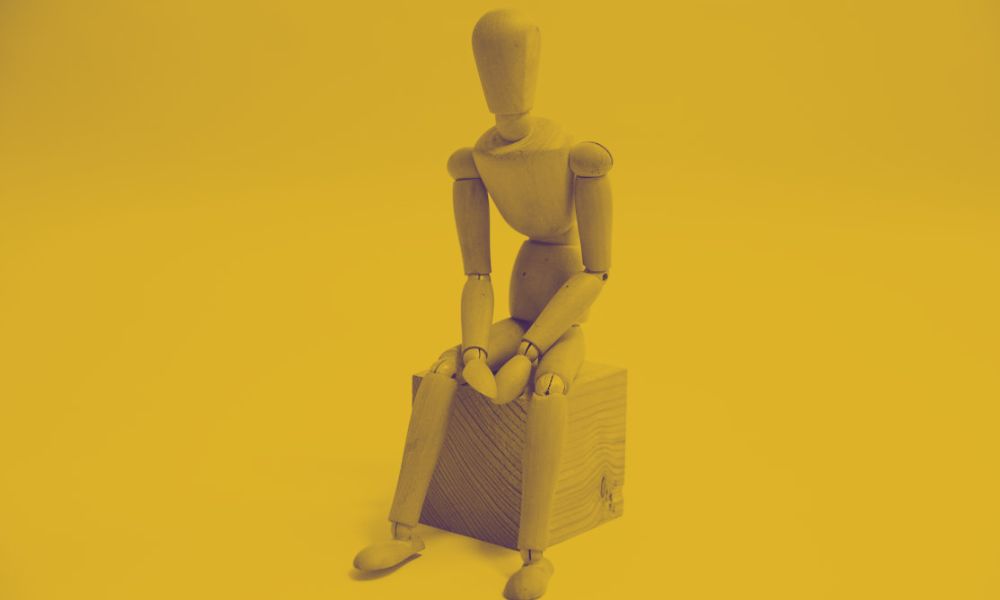
Finding AI less judgmental than colleagues, many workers are building connections with the technology instead. (Image: Pexels)
AI Might Be Less Judgmental Than Your Coworkers, But You Could Be Compromising on Human Connection
Workday’s latest Human Connection Workplace Index asked 2,150 active AI users across industries and geographies about their experience with the technology, and the survey showed that there are definite benefits to using the technology in the workplace. For one, contrary to previous reports, the study showed that 62% of employees report that their risk of stress and burnout has diminished since they began using AI in their work.
In addition to this, 86% stated that they felt more productive, while 64% felt that AI has increased their confidence in the ability to succeed. These are extremely optimistic results if verifiable by future studies, as it shows that the advancement of the technology does have a beneficial impact on the workplace.
On the flip side, however, 33% of workers never or rarely have conversations with colleagues that go beyond transactional work-related tasks in a given week, and only 46% find it easy to make friends at work. Matters have grown serious enough that 14% of employees admitted to taking time off from work due to their experience of loneliness. These numbers are not exclusively a result of using AI at work, but there is a definite number of workers who are set on trusting AI more than their colleagues.
Workers Are Starting to Trust AI over Their Colleagues
Workday also found that since turning to AI, 16% of workers have less patience for small talk. This can often mean less patience with colleagues overall. About 76% of respondents stated that they have used an AI tool for advice over the last 12 months, and 37% have turned to the tech for companionship. Similarly, 52% have used AI to brainstorm, which means that the exchange of ideas is no longer occurring in a social context where employees can collectively benefit from thinking outside the box together.
This impact is likely to be even greater on Gen Z hires, as they are 12 times more likely than Gen X to report feeling disconnected from their colleagues. They are also twice as likely as millennials and eight times as likely as Gen X to experience loneliness on the job. Workday found that one-fifth of them have found their personal relationships with colleagues worse off than before after turning to AI.
These aren’t just numbers but a very real sign of the workplace growing more disconnected with the increasing reliance on technology.
The Rise of Workplace Loneliness and Isolation Is a Very Real Problem for Employers
When worker loneliness rises, employers can expect employee engagement to drop, absenteeism to grow, and also witness a parallel rise of conflict in the workplace. When employees no longer have reasons to collaborate, communicate, and build relationships at work, their approach to work is primed to become more individualistic. Research published in the Science journal by researchers from Stanford shows that AI LLMs are “overly agreeable, or sycophantic, when users solicit advice on interpersonal dilemmas,” regardless of whether users describe harmful or illegal behavior.
This AI sycophancy reaffirms an employee’s belief that they are always in the right and is likely to close them off to feedback and criticism in the workplace. As more employees find AI less judgmental and turn to the tech for advice or reassurance, their ability to work with other colleagues will decline. As we move to discuss the future of work, where employees and technology work side by side, we also have to ensure that workers will continue to be able to work with other employees.
The loss of connection in the workplace may appear to be a minor, peripheral problem, but if workplaces do not evolve to address and correct this shift, the workforce could see irreversible changes to how they operate. Employees using AI need to be alerted to the risks that come with it and set limits to how much trust they place in their AI tools. Critical thinking is an irreplaceable human quality, and while AI might be less judgmental and more vital to building confidence, real-world experiences cannot be set aside.
With AI appearing as the less judgmental alternative to human interaction, workplace relationships may soon change beyond recognition. How do you think we should combat this shift? Share your thoughts in the comments with us. Subscribe to The HR Digest for more insights on workplace trends, layoffs, and what to expect with the advent of AI.
