



Could AI be compromising our workplace personality? Artificial intelligence has changed how we work, create, and communicate, and for better or for worse (likely the latter), the technology is changing how we present ourselves day-to-day. Alongside the loss of human skill and capability, it is also important to spare a second to consider whether an overreliance on AI may be affecting your professional image.
Productivity gains are the first outcome that tech leaders have made synonymous with AI, and there is evidence to show that a lot can be achieved with the technology. What is becoming increasingly obvious is that its effects don’t stop there. From supporting workers in becoming more complacent with their work ethic to allowing them to isolate themselves more frequently, the technology is changing how we operate. One of the more glaring effects of AI is its impact on an individual’s professional image.
The ease of communicating via AI-generated messages and emails has caught on quickly among workers, allowing them to use the tech to do the talking for them. This has freed many from the worry of typos and the pressure of proofreading, but it has also thrown a wide filter of generic chatter over workplace communication, stripping it of authenticity and personality. Not everyone is opposed to receiving a message crafted by a third party, but many do see such communication as unprofessional.
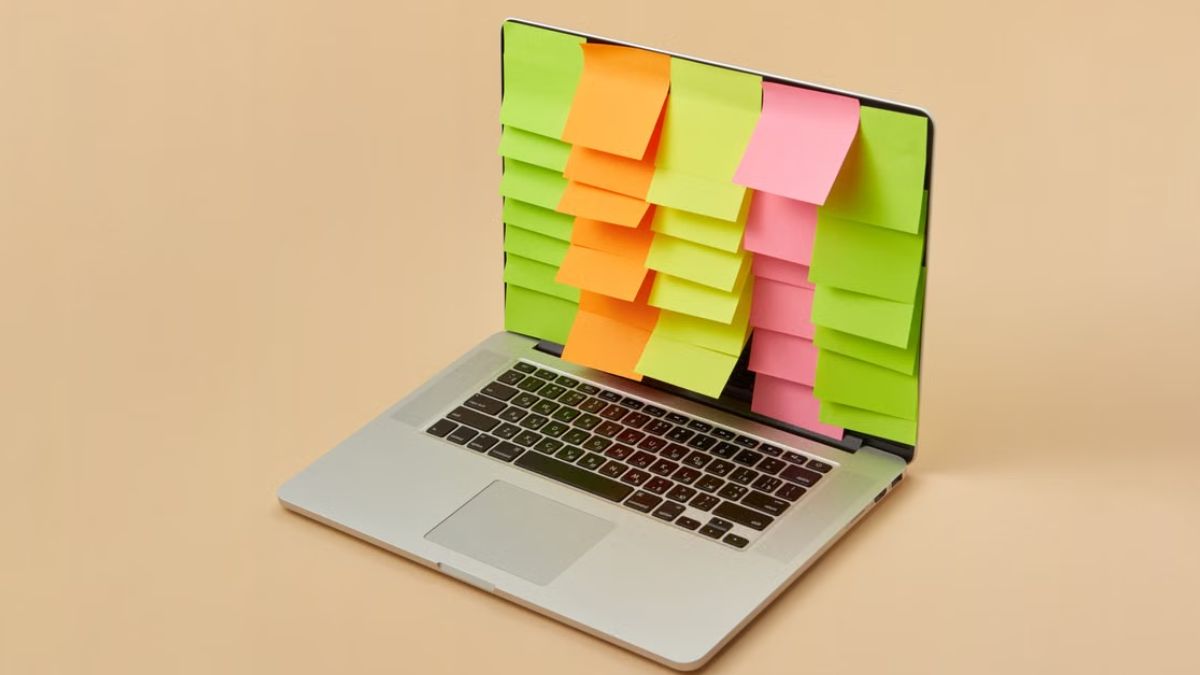
Exploring the detrimental effects of AI use in work messages that cause colleagues to reevaluate an employee’s workplace personality. (Image: Pexels)
Is AI Damaging Your Professional Personality in the Workplace? The Negative Effects Are Worth a Closer Look
Omni Calculator recently surveyed 921 US workers in full-time or part-time employment to understand their sentiments around AI use in the workplace. The report found that 30% of workers now use AI multiple times a day to write, rewrite, or polish up their work communication. Another 24% do the same a few times a day. This has its advantages. About 40% of workers have eliminated typos from their messages, which does make communication less stressful. This, however, isn’t all that has been eliminated.
About 27% have gotten rid of slang in their writing, 14% have eliminated emojis and strong opinions, 11% have similarly rid their messages of humor and exclamation points, and 7% have even changed the personal greetings or sign-offs in their messages. This may not look like a loss to many. For some, this standardization may even be a win. But these are the very elements that humanize workplace communications. In time, the shift in favor of AI-assisted writing could cause the workforce to lose the very elements that currently keep their messages from becoming boring duplicates of each other.
The report also found that 25% of workers who use AI for work messages believe their writing now sounds more generic and less like them. Not only that, 30% have found themselves writing or talking in an “AI style,” even when they aren’t using an AI tool. Many have grown so dependent on the technology that many now feel more nervous than ever about sending a message without running it by AI first. This shift is decidedly concerning.
How Is AI Tied to a Shift in One’s Professional Image in the Workplace?
Not only is AI use causing a change in human skills, but it has also begun to impact one’s professional image. Gen Z workers were found to be the most skeptical users of AI at work, with 44% looking on in disdain at coworkers who used AI and “didn’t care enough to write it themselves.” About 22% of Gen X workers felt the same. This critical approach towards AI users likely stems from the “sameness” in their writing, the traits of which are becoming easier to decipher.
Omni Calculator found that 45% of workers claim that they can catch signs of AI in a colleague’s writing at least some of the time, with 24% saying they can do so often. Another 12% say they can do so almost always, while the same number of respondents rarely claim to identify AI writing. Not all the consequences of this detection are negative. Thirty percent of workers see their colleagues as being smart and efficient users of technology, and 9% feel encouraged to use it too.
On the other hand, 30% see it as a lack of interest in writing the message themselves, and 27% lose some of their trust in the communication. For others, the lack of independent writing shows a lack of independent thought, with some even losing respect for their colleagues. Your colleagues may not care if the communication is AI-generated as long as it is clear, but are you willing to risk your voice and authority at work over something so trivial?
The Loss of Personality Is a Loss of Creativity and Connection at Work
Many of us have worried over sending emails and messages, rereading them multiple times to make slight adjustments to ensure that the tone is just right. Not having to fret over the small details is certainly a relief and saves us a considerable amount of time, but at what cost? Over half of the workers state that they would prefer to receive a slightly messy but genuine message from a coworker rather than one polished by AI and stripped of its personality. At a time when workplace loneliness is on the rise and interpersonal connections are fading, the elimination of the little authenticity left at work can establish barriers between employees that further strain their connection.
Reyhaneh Mansouri, expert research writer and digital PR Specialist at Omni Calculator, put it best, “Employers should be concerned because AI is quietly replacing the parts of communication that make people feel like people. When someone suspects a coworker used AI to write a message, they read less care and less honesty into it, even if the writing is polished. Over time, that changes how colleagues see each other: less as people they trust, more as senders of well-formatted text. That kind of shift builds slowly, so it’s easy to miss until the trust is already gone.”
The Effect of AI on Workplace Personality Could Soon Impact Other Areas of Operation
There isn’t sufficient data to start predicting doomsday scenarios where workers lose their ability to ideate and translate their thoughts into concepts entirely, but it is a distinct possibility. What starts as a convenience can soon turn into a habit, allowing workers to skip over reading messages in favor of AI summaries and responses. Not only will we then risk losing out on connection, but also on essential data going unread. When there is little attention to tone and detail in the message, this can translate into a similar attitude in verbal communication, the habit showing up in front of clients and stakeholders.
The loss of an individual voice could ultimately become evident in all areas of operations. “Managers read effort and initiative into how people communicate, so a flattened, generic voice can make someone look less engaged, even if their work is just as strong,” Mansouri explained. “It also works quietly in the background: people get pulled into new projects, stretch assignments, or mentorship because colleagues enjoy working with them and remember them. A voice that sounds like everyone else’s is easy to forget and easy to overlook when those opportunities come up.“
Other reports show that employees look unfavorably on leaders who use AI because it suggests a lack of interest in the task. The same can be true for internal communication between team members. While the technology has its use cases, users need to rely on it responsibly. Limiting AI usage to specific scenarios and communicating with intention is a quality that we cannot forfeit, just in case it’s what causes us to start to lose ourselves and our skills in the process.
Do you judge your colleagues for using AI in their messages? Can AI have an impact on our workplace personality or reputation? Share your thoughts with us. Subscribe to The HR Digest for more insights on workplace trends, layoffs, and what to expect with the advent of AI.
