


Facing a disability discrimination lawsuit with a $270,000 settlement, PepsiCo Beverage Sales has finally reached an agreement with the U.S. Equal Employment Opportunity Commission (EEOC). The Delaware company operating a facility in Winston-Salem, North Carolina, was accused of firing an employee with a vision disability after they failed to provide reasonable accommodations for him to perform his job with greater ease. Not only will the company have to pay a hefty settlement to resolve the disability discrimination lawsuit, but the EEOC also requires the organization to work with a consultant to ensure that there are no similar incidents in the future.
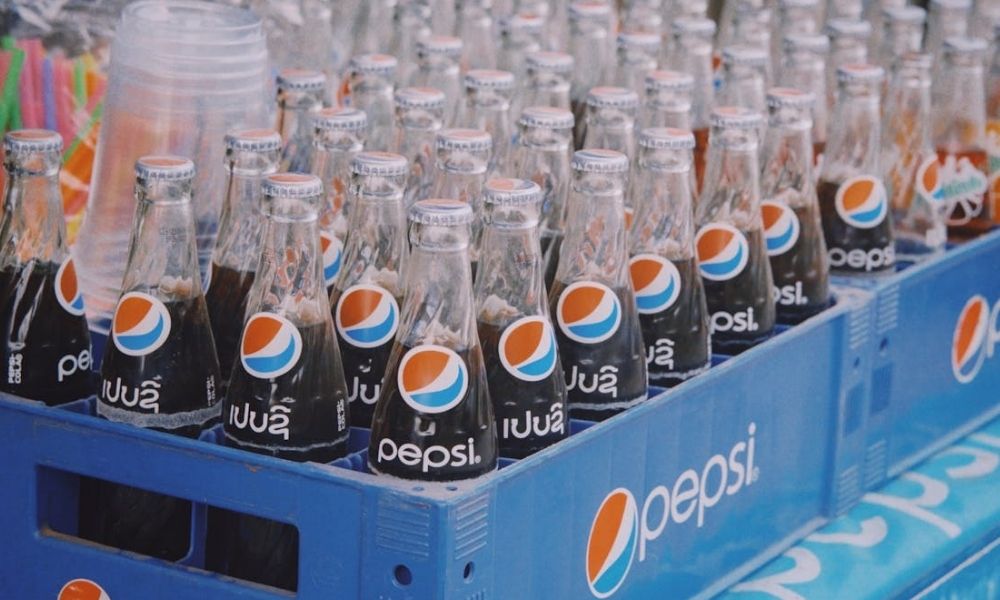
A lawsuit filed by the EEOC accused PepsiCo of failing to provide accommodations for a blind employee and eventually firing them instead. (Image: Pexels)
PepsiCo’s Disability Discrimination Lawsuit Ends in a $270,000 Settlement with the EEOC
According to the EEOC’s disability discrimination case against PepsiCo, in April 2022, the company hired a blind employee for the role of customer care advocate in its Winston-Salem call center. The employee then asked the organization for reasonable accommodations to access data on the company computers in order to perform the job. The request was reportedly denined and the employee was subsequently fired.
The company also rejected assistance from the North Carolina Department of Health and Human Resources when it offered to help identify solutions to the accessibility issues. As a result, the EEOC filed a disability discrimination lawsuit against PepsiCo in the U.S. District Court for the Middle District of North Carolina, after initial attempts were made to reach a pre-litigation settlement.
The Workplace Discrimination Case Was Seen as a Violation of the ADA
The Americans with Disabilities Act (ADA) is a critical federal civil rights regulation designed to protect the rights of citizens with disabilities. Title I of the ADA protects employment rights of disabled workers, and it applies to employers that have 15 or more employees. This includes state/local governments, employment agencies, and labor unions.
As per the act, employers are required to make reasonable accommodations for qualified employees to ensure that they are able to perform their roles with greater ease, as long as the accommodations do not cause undue hardship to the employer.
The ADA defines a person with a disability as someone who:
- Has a physical or mental impairment substantially limiting one or more major life activities,
- Has a history or record of such an impairment
- is perceived by others as having such an impairment
While it can be hard to determine the exact accommodations that are covered by the ADA, for the most part, employers are required to make changes to operations when it falls within their abilities to provide such support. Basic disability considerations, such as technological accessibility, seating options, and regular breaks, are just some examples of the accommodations that employers are expected to provide.
What Are the Terms of the PepsiCo-EEOC Lawsuit Settlement?
As previously stated, the PepsiCo lawsuit settlement amounts to $270,000. Beyond this, PepsiCo also has to work with an expert to ensure that certain software applications at the Winston-Salem facility will be accessible to those with visual disabilities. The company will be required to regularly report to the EEOC regarding its progress, as well as maintain and distribute an anti-discrimination policy addressing reasonable accommodations within the business. To top it all off, the workplace discrimination case will end with additional training at the facility and a mandatory notice on the rights that employees have under the ADA.
These repercussions not only put to rest the allegations that were levied against PepsiCo but also ensure that such incidents can be avoided in the future. Alerting employees to the benefits and support systems made available to them by state and federal regulations, as well as by the organization, is a basic practice that more organizations can benefit from looking into. Such gestures of good faith ensure that employees are able to work to the best of their abilities without undue strain.
From Kroger to SHRM, many organizations have previously been caught in the EEOC’s crosshairs as a result of alleged failures to meet ADA regulations. These cases provide clear instances of what the agency’s expectations are from employers, and where existing gaps in the business’ disability support systems can be plugged before a situation turns similarly sour.
Subscribe to The HR Digest for more insights on workplace trends, layoffs, and what to expect with the advent of AI.
